


Common F1 Terms Explained for New Fans
January 2026
As a new fan of Formula 1, diving into high-speed racing can be thrilling and a bit overwhelming. The sport has its own language, and understanding it makes race weekends easier to follow and a lot more fun.
From terms like pit stop to tyre compound, learning F1 terminology helps you understand what teams are trying to do and why certain moments matter. Whether you are watching a Grand Prix live or following the championship remotely, knowing the basics will help you keep up with the action and the conversations happening around it.
Key Takeaways
- Understanding F1 terminology helps new fans follow races with confidence
- Terms like pit stop and tyre compound explain strategy, not just mechanics
- Knowing the language of F1 makes commentary and analysis easier to track
- F1 jargon can look intimidating, but most terms click quickly once you see them used
Getting Started with F1: The Basics
What is Formula 1?
Formula 1 is the highest level of single-seater motorsport sanctioned by the FIA (Fédération Internationale de l’Automobile). Drivers and teams compete in a championship made up of multiple races known as Grands Prix, held on circuits around the world.
There are two championships:
- Drivers’ Championship: awarded to the driver who scores the most points
- Constructors’ Championship: awarded to the team whose two drivers score the most points combined
The Structure of an F1 Season
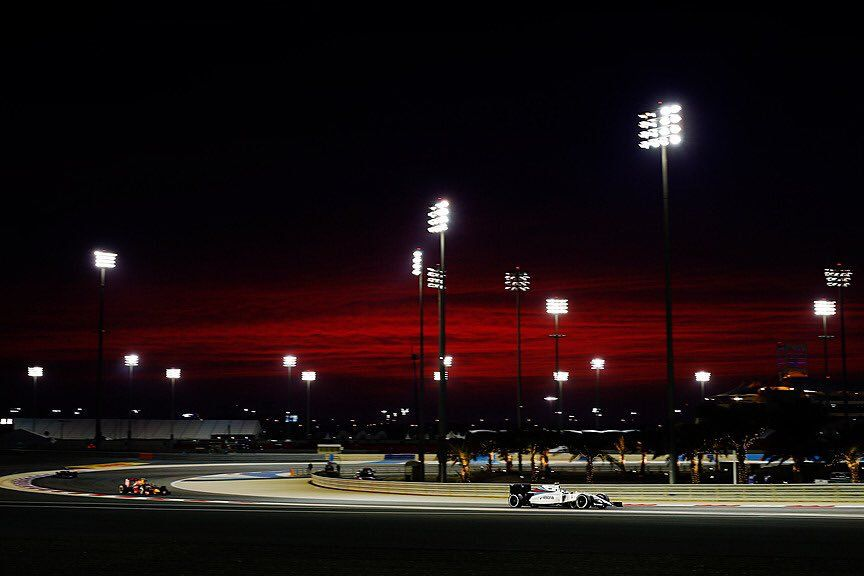
An F1 season runs across many months and includes a global calendar of Grands Prix. Each event weekend contributes points toward both championships.
Key Organizations: FIA, FOM, and Teams
- FIA sets the sporting and technical rules and oversees safety and governance
- Formula One Management (FOM) handles commercial rights, broadcasting, and event promotion
- Teams design, build, and run the cars across the season
F1 Car Components and Technology
Power Units Explained
Modern F1 cars use hybrid power units combining:
- a 1.6-litre turbocharged V6 internal combustion engine
- energy recovery systems that harvest and redeploy energy
Key terms:
- MGU-K: recovers energy under braking
- MGU-H: recovers energy from exhaust heat
- ERS: the overall energy recovery and deployment system
Aerodynamics and DRS
Aerodynamics generate downforce to help the car grip through corners. Key terms include:
- Front wing / rear wing: shape airflow and generate downforce
- Diffuser: helps manage airflow under the car to increase grip
- DRS (Drag Reduction System): allows a driver to open a flap on the rear wing in designated zones when close enough to a car ahead, reducing drag and helping overtaking
Tyre Compounds and Degradation
F1 uses different tyre compounds to balance speed and durability:
- Soft: fastest, wears quicker
- Medium: balanced
- Hard: most durable, usually slower
Tyre degradation refers to grip loss over time due to wear and heat, and it is a major driver of strategy.
Safety Features
Modern F1 safety includes:
- Halo head protection device
- HANS (Head and Neck Support)
- crash structures and strict safety standards for the chassis
Race Weekend Structure and Terminology
Practice Sessions: FP1, FP2, FP3
Practice sessions allow teams to test setup, tyre behaviour, and long-run pace. On standard weekends, there are three practice sessions, but sprint weekends use a different schedule.
Qualifying Format: Q1, Q2, and Q3
Qualifying uses a three-stage knockout system:
- Q1: all cars, the slowest five eliminated
- Q2: remaining cars, the slowest five eliminated
- Q3: The top 10 fight for pole position
Race Day Procedures
- Formation lap: cars warm tyres and brakes before lining up
- Standing start: most races begin from a stop once the lights go out
- Chequered flag: ends the race when the leader finishes
Track Talk: Circuit Terminology
Track Features
- Chicane: a tight left-right or right-left sequence designed to slow cars
- Apex: the inside point of a corner, drivers aim to clip
- Run-off area: extra space beyond the track to reduce the impact of mistakes
Circuit Types
- Street circuit: temporary track on public roads
- Permanent circuit: purpose-built track
- Hybrid circuit: a mix of permanent sections and public-road sections
Parc fermé, Pit Lane, and Paddock
- Parc fermé: rules restricting changes to cars during key periods around qualifying and the race
- Pit lane: where pit stops take place
- Paddock: the team and event operational area behind the garages, including hospitality
Race Strategy Vocabulary
Pit Stop Strategies
- Undercut: pitting earlier than a rival to gain time on fresher tyres
- Overcut: staying out longer than a rival and gaining time through clean air or strong pace
- Pit stop time: includes stationary time plus pit lane transit effects on overall race time
Tyre Strategies
- One-stop / two-stop: number of planned pit stops
- Push and conserve: alternating aggressive pace with tyre management
Fuel and Energy Management
- Fuel saving: driving techniques to reduce fuel use
- ERS deployment: deciding when to use stored energy for lap time or overtaking
- Lift and coast: lifting off earlier and coasting into braking zones to save fuel and manage temperatures
Scoring System and Championship Terms in F1
Points System
Points are awarded to the top 10 finishers in a Grand Prix:
25, 18, 15, 12, 10, 8, 6, 4, 2, 1.
Drivers’ Championship and Super Licence
- Drivers’ Championship: most points across the season wins
- Super Licence: required to race in F1, issued by the FIA based on performance and eligibility criteria
Constructors’ Championship
A team’s points are the combined total of both drivers’ race results.
Sprint Races
On sprint weekends, the sprint race awards points to the top eight finishers, from 8 points down to 1 point.
Grand Slam
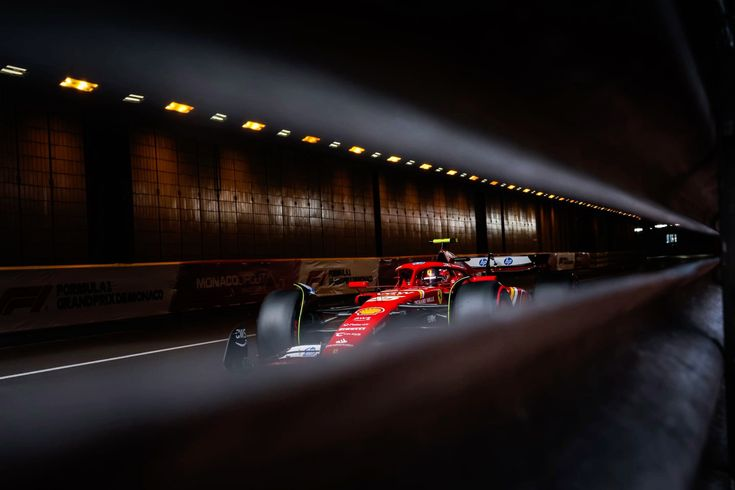
A Grand Slam is an unofficial achievement where a driver takes pole position, wins the race, leads every lap, and sets the fastest lap. It is a performance milestone, not a separate points category.
Team Structure and Radio Terminology
Key Team Roles
- Team principal: overall leadership and accountability
- Race engineer: primary driver contact, manages car and strategy execution
- Strategists: plan tyre, timing, and scenario decisions
Common Radio Terms
- Push: increase pace
- Blue flag: a faster car is approaching to lap you
- Plan B: switch to an alternate strategy
Driver Status Terms
- Lead driver: the team’s best-performing or priority driver in a given season context
- Reserve driver: substitute option if a race driver is unavailable
Driving Techniques and Performance Jargon
Racing Lines and Overtaking
- Racing line: the fastest path through a corner sequence
- Slipstream: reduced air resistance behind another car
- Switchback: setting up a pass by cutting back underneath on the corner exit
Performance Metrics
- Delta time: lap time difference versus a reference
- Purple sector: fastest time of anyone in that sector
- Telemetry: data transmitted from the car to the team
Rules, Flags, and Penalties
Flag Meanings
- Green: racing conditions normal
- Yellow: hazard, no overtaking in the affected zone
- Red: session stopped
- Blue: move aside safely for faster traffic when being lapped
- Chequered: finish
Common Penalties
- Time penalty: added time or served during a pit stop
- Drive-through: pass through the pit lane without stopping
- Grid penalty: drop in starting positions
Safety Car, VSC, and Red Flag
- Safety Car: bunches the field behind a physical car on the track
- VSC: enforces a controlled speed reduction without bunching the pack fully
- Red flag: stops the session due to a serious incident or unsafe conditions
Conclusion: Enjoying F1 with Your New Vocabulary
Once you know the language, Formula 1 becomes easier to follow and far more interesting. You will start spotting strategy shifts in real time, understanding why a team pits early, why a driver is saving tyres, or why a radio message changes the pace immediately. F1 looks like chaos at 300 km/h. Under the hood, it is process, trade-offs, and decision-making. Learning the terminology gives you the decoder ring.


What is the FIA?

What is a Power Unit in F1?
What is DRS in F1?
What is a pit stop strategy?
What is the difference between a street circuit and a permanent circuit?
What is parc fermé?