


How Weather Impacts F1 Race Strategy
January 2026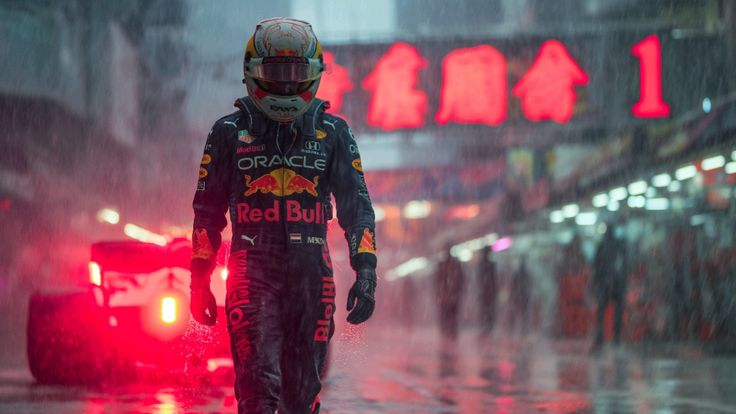
Weather conditions can reshape a Formula 1 weekend in minutes. Rain, sunshine, wind, and temperature shifts all change grip levels, tyre behaviour, and car balance, forcing teams to adapt strategy in real time.
Because the cars operate at extremely fine performance margins, small environmental changes can produce big consequences. That is why weather forecasting and rapid decision-making are core parts of modern F1 strategy.
Key Takeaways
- The weather directly affects grip, tyre wear, and car balance
- Strategy often hinges on reacting faster than rivals to changing conditions
- Tyre choice is the biggest lever when the weather shifts
- Temperature and wind can matter even without rain
Why Weather Hits F1 So Hard
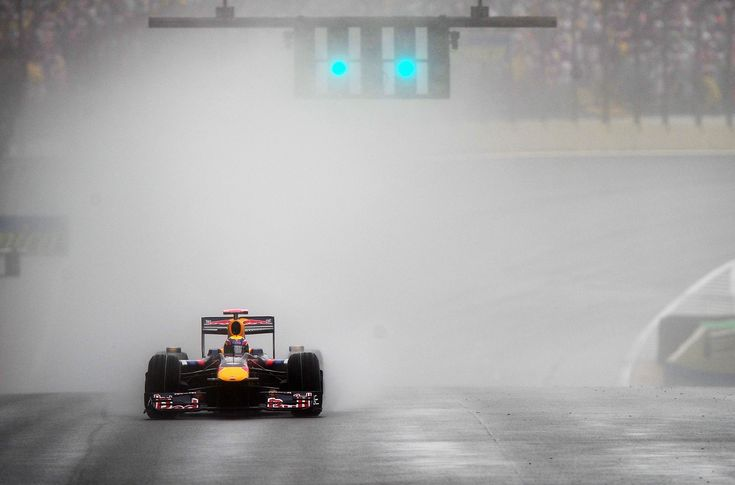
F1 cars rely heavily on aerodynamics and tyres operating in narrow temperature windows. When conditions change, the car can lose grip quickly, braking distances increase, and tyre performance can swing from excellent to unusable.
The weather also creates uncertainty. Forecasts can be imperfect, and some circuits experience localized rain where one sector is wet, and another is dry, which complicates tyre calls and pit timing.
Rain: The Great Disruptor
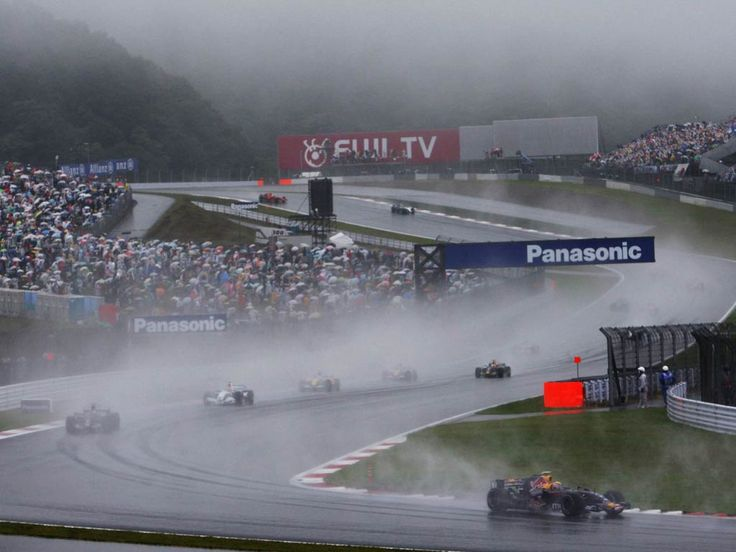
Rain changes the track surface immediately by reducing grip and increasing braking distance. It also introduces a major visibility problem due to spray, which is often the limiting factor even more than grip.
When rain arrives, the race becomes less predictable because driver skill, confidence, and timing matter more than pure car performance.
Wet Tyres
- Intermediates are used for light rain or drying conditions
- Full wets are for heavy rain and standing water
Choosing the wrong tyre at the wrong time is one of the fastest ways to lose a race.
Tyre Strategy and the “Crossover” Moment
The most important strategic decision in mixed conditions is the crossover point: when it becomes faster to switch between slicks and wet tyres.
Teams are balancing:
- track grip now vs track grip in 5–10 minutes
- tyre warm-up time vs immediate pace
- pit stop loss vs staying out and surviving
In chaotic conditions, the winners are often the teams that commit decisively rather than hesitating.
Temperature: The Silent Strategy Driver
Temperature affects tyres, brakes, and cooling.
Hot Conditions
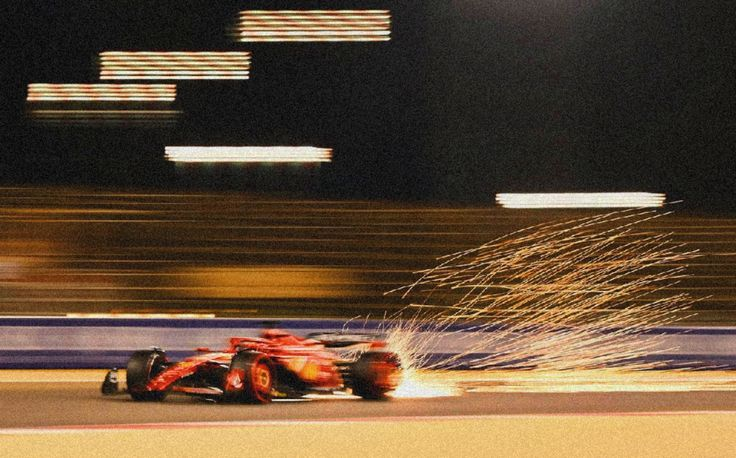
- Tyres overheat more easily and degrade faster
- Cars are more likely to face cooling limits, especially in traffic
- Drivers often need to manage pace to protect tyres and temperatures
Cold Conditions
- Tyres struggle to reach operating temperature
- Grip is lower, especially early in stints
- Warm-up becomes a major performance differentiator
Wind: The Underestimated Variable
Wind changes how aerodynamic surfaces work, which affects stability and confidence.
- Crosswinds can make the car unstable in fast corners and during braking
- Headwinds and tailwinds change braking points and straight-line speed, which can shift overtaking and defence dynamics
It is one of those things that looks invisible on TV and feels very real at 300 km/h.
Car Setup Adjustments for Changing Conditions
Teams adjust setup choices across the weekend to find the best compromise for expected conditions.
General truths that hold up:
- Wet conditions usually demand a car that is predictable and stable
- Ride height and mechanical grip become more important when the grip is low
- Teams may choose more conservative settings to reduce risk and improve driveability
Many changes are limited once the weekend progresses due to parc fermé restrictions, which is why forecasting matters early.
Mid-Race Weather Changes: Where Races Get Won
When conditions change mid-race, teams pivot around three things:
- communication between the pit wall and the driver
- timing the tyre switch
- committing to a call when others are uncertain
The best teams treat weather like a live market. They watch sector times, tyre temperatures, radar, and competitor behaviour, then make a call that is fast, not perfect.
Historical Weather Game-Changers
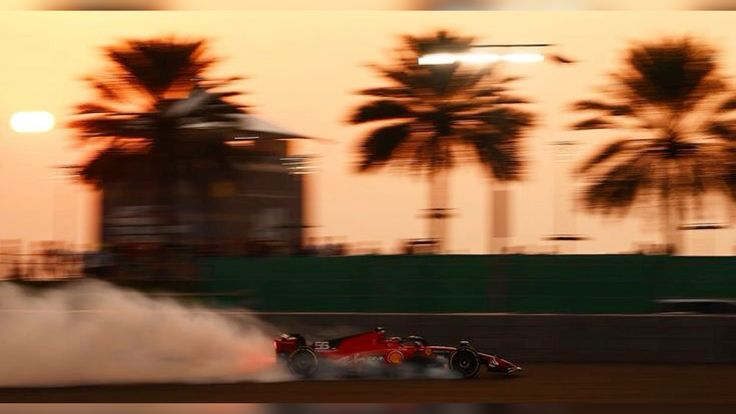
A few examples where weather shaped outcomes:
- Brazil 2008: late rain created chaos at the end, and the championship swung in the final laps
- Europe 2007 (Nürburgring): a perfect early wet tyre decision briefly put an unlikely driver into the lead before the race settled
- Monaco 1996: changing conditions and attrition produced one of the most unpredictable results of the era
The pattern is consistent: weather rewards adaptability, not just speed.
Safety Protocols in Extreme Weather
When conditions become unsafe, F1 uses:
- Safety Car or Virtual Safety Car to control speed
- Red flags to stop the session when visibility or standing water becomes too dangerous
Driver safety is the priority, and visibility is often the deciding factor.
Conclusion
Weather is one of the few forces in Formula 1 that no team can engineer away. It can compress the field, flip strategies, and turn a routine race into a high-stakes decision-making exercise. If you want to understand F1 at a deeper level, watch how teams react to the forecast, the first drops of rain, and the crossover moment. That is where the sport quietly decides who wins.


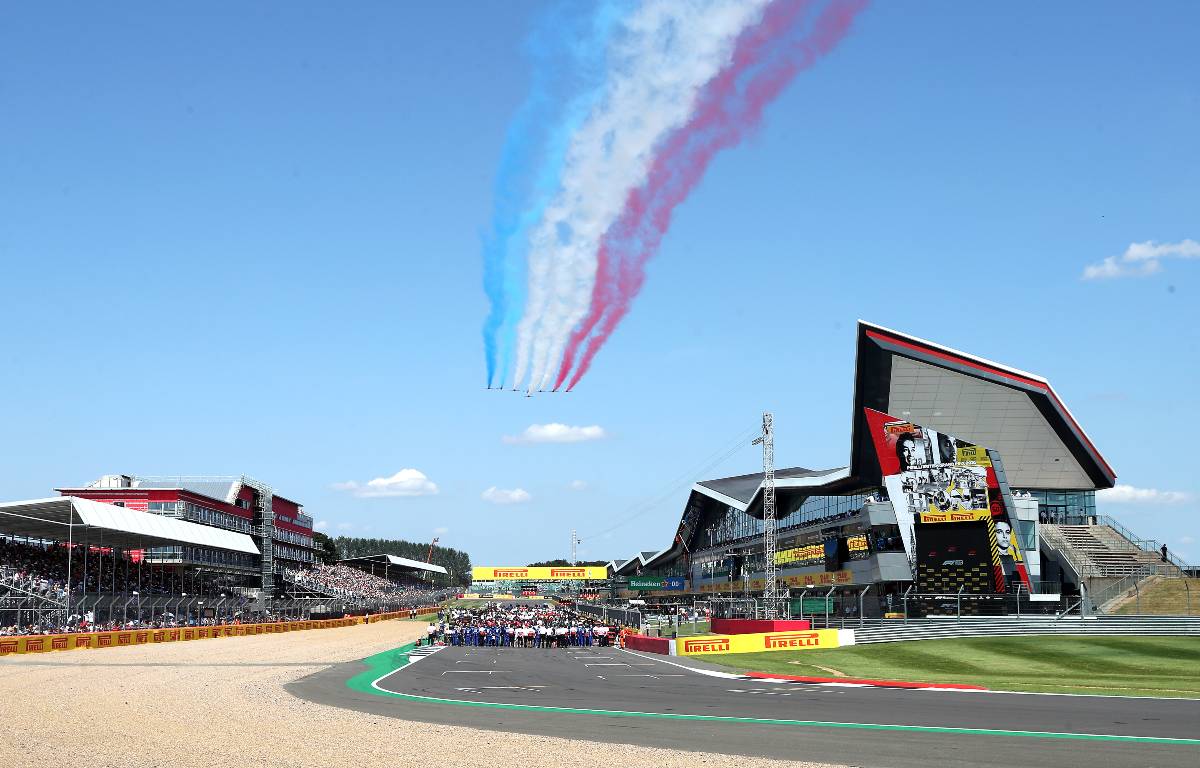


What’s your prediction for this race?
- Lewis Hamilton (0%, 0 Votes)
- Max Verstappen (0%, 0 Votes)
- Lando Norris (0%, 0 Votes)
- Charles Leclerc (0%, 0 Votes)
- Other (0%, 0 Votes)
Total Voters: 0
 Loading ...
How does rain affect F1 racing?

What is the role of tire strategy in F1 racing?
How do F1 teams prepare for changing weather conditions?
What are some of the most challenging weather conditions for F1 drivers?
How do F1 teams communicate during mid-race weather changes?
What safety protocols are in place for extreme weather conditions?