


Boxing Betting Terms Explained
January 2026
For those interested in wagering on boxing matches, understanding the terminology matters. Boxing betting can look simple on the surface, but the language around markets, odds, and outcomes can trip people up quickly.
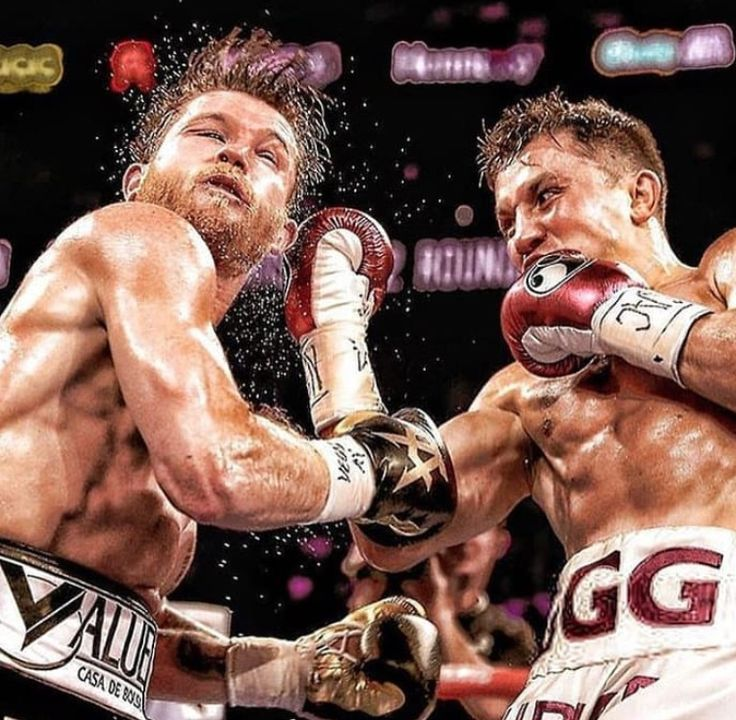
This explainer covers the key terms and common bet types you’ll see most often, so you can follow betting lines and understand what a wager actually means.
Key Takeaways
- Knowing the main betting terms helps you interpret odds and markets correctly
- Different bet types suit different risk levels and fighting styles
- Odds formats (American, decimal, and fractional) all describe the same idea in different ways
- A solid approach relies on discipline and good decision-making, not guesswork
The World of Boxing Betting
Boxing betting is different from many team sports because there are fewer moving parts: no full squad rotations, no weather tactics across multiple players, and no “draw by committee” in most fights. That doesn’t make it easy, though. Individual match-ups, judging, and stylistic clashes can make outcomes unpredictable.
What Makes Boxing Betting Different
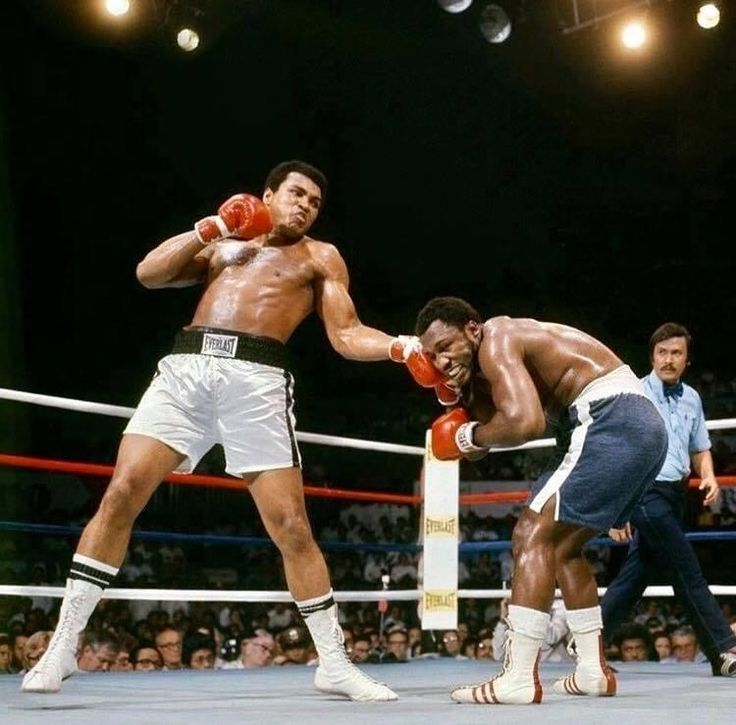
Boxing often comes down to a small set of factors bettors tend to weigh heavily:
- Styles and match-ups (pressure fighter vs counterpuncher, southpaw vs orthodox)
- Durability and stoppage risk (chin, recovery, referee/corner tendencies)
- Pace and conditioning (especially in later rounds)
- Weight class and weight changes (moving up/down can matter)
Growth of Boxing Wagering in the US
Boxing wagering in the US has grown alongside broader sports betting availability and the rise of big-event fight weeks. The bigger point to communicate is direction, not pretend precision: interest and betting options have expanded, especially online.
Essential Boxing Betting Markets
Moneyline / Outright Winner
The most straightforward market: you pick which fighter wins the bout.
What to consider:
- How each fighter tends to win (decision vs stoppage)
- The level of opposition they’ve faced
- Recent activity and ring rust
Round Betting
You’re predicting the round the fight ends (or sometimes the round a fighter wins in). This is more specific and higher risk than picking the winner.
What to consider:
- Early starter vs slow starter
- Power and finishing ability
- History of late stoppages or late fades
Method of Victory
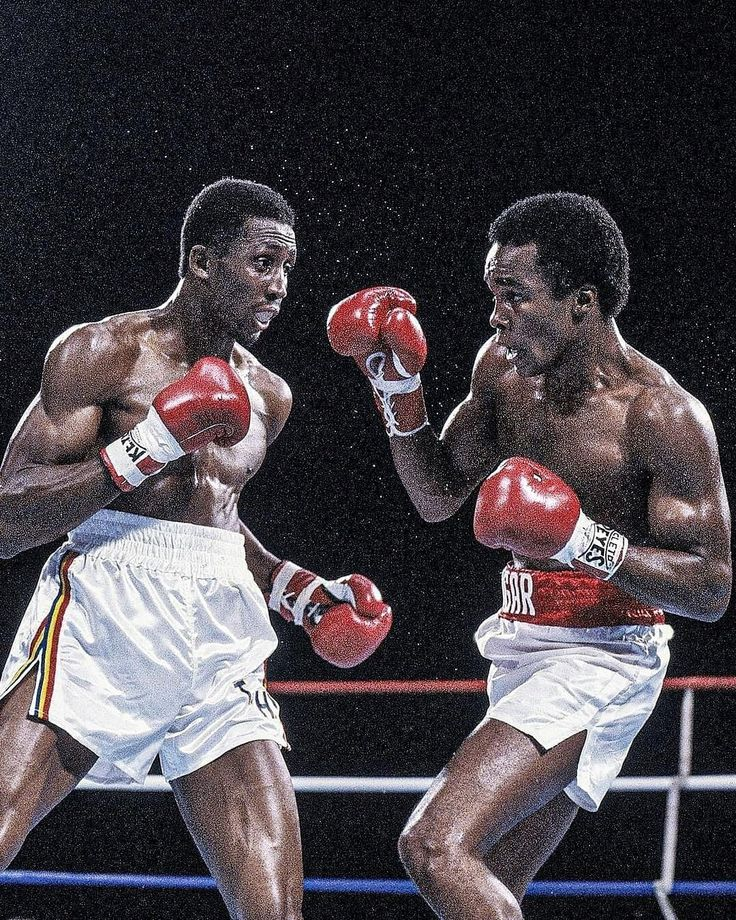
You predict how a fighter wins, most commonly:
- KO (knockout)
- TKO (technical knockout)
- Decision (judges decide after all scheduled rounds)
This market forces you to commit to the likely “story” of the fight.
Boxing Odds Formats
American Odds
Common in the US and shown with a + or –.
- Negative odds (e.g., -150): how much you need to stake to win 100 (in the same currency unit).
- Positive odds (e.g., +150): how much you win if you stake 100.
Decimal Odds
Common in Europe. This shows your total return, including stake.
Example: 3.00 means a £10 stake returns £30 total (£20 profit + £10 stake).
Fractional Odds
Traditional UK format.
Example: 2/1 means you win £2 profit for every £1 staked (plus your stake returned).
Implied Probability
Odds imply a probability. It’s not a guarantee, and it usually includes a margin in the bookmaker’s favour. Still, it’s useful for sense-checking whether a line looks “big” or “short” for what you think will happen.
Proposition Bets in Boxing
Total Rounds Over/Under
You bet whether the fight goes over or under a specific round number (often a half-round, like 8.5).
Useful when:
- You expect a stoppage, but aren’t sure who gets it
- You expect a tactical fight likely to go long
Will the Fight Go the Distance?
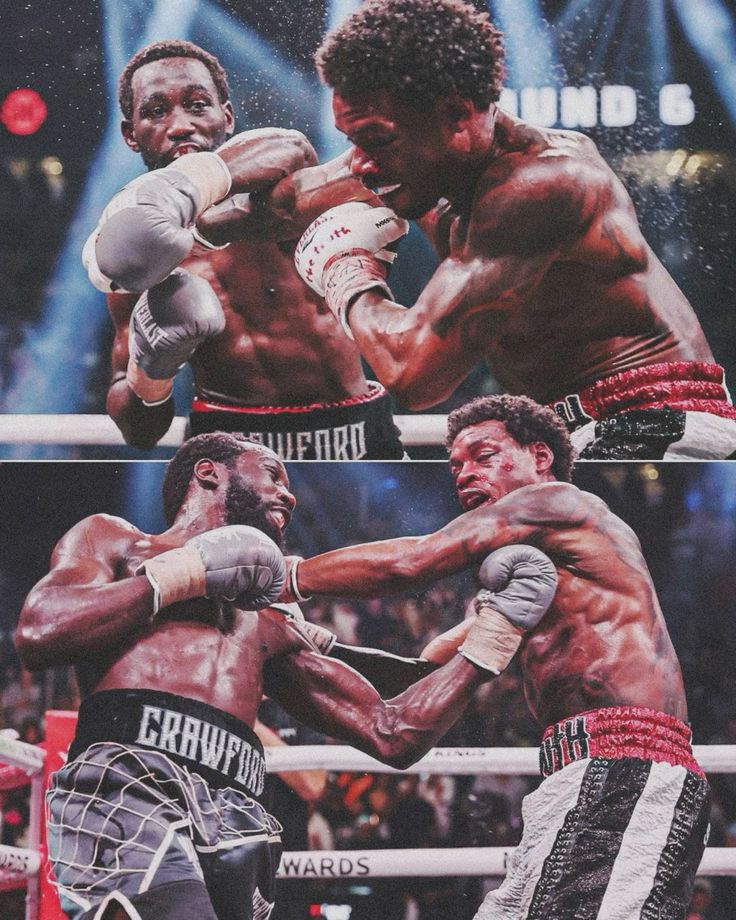
A simpler version of totals: Yes (full distance) or No (stoppage).
Knockdown / Knockout Specials
Markets vary, but common ones include:
- whether there will be a knockdown
- Which fighter scores a knockdown
- if the fight ends by KO/TKO
These can be volatile because one moment changes everything.
Weight Classes and Betting Considerations
Boxing weight divisions matter because speed, power, endurance, and stoppage rates can vary by class.
A practical betting note:
- When a fighter moves weight class, the question isn’t just “are they bigger or smaller?”
It’s whether their style and durability translate to the new size.
Boxing Terms Every Bettor Should Know
Technical Terms (In-Ring)
- Jab, cross, hook, uppercut: core punch types
- Southpaw / orthodox: left-handed vs right-handed stance
- Clinch: tying up to stop exchanges
- Ring generalship: who controls pace, distance, and positioning
Scoring and Judging Terms
- 10-point must system: the winner of the round usually gets 10, the other gets 9 (or less with knockdowns)
- Split decision: judges disagree (two score one way, one the other)
- Majority decision: two judges pick a winner, one has it a draw
Fight Outcomes
- KO: The fighter cannot beat the count
- TKO: referee or corner stops the fight
- Decision: goes to the judges
- No contest: fight stopped early due to an accidental foul and voided under the rules
Advanced Betting Concepts (Kept Practical)
Style and Match-up Analysis
Some fights look simple until you compare styles. A durable volume puncher can drown a cleaner boxer, and a single heavy puncher can erase rounds of “better boxing”.
Looking for Value
“Value” means the odds are bigger than you believe the true chance is. That’s it. Not certainty, not a lock.
Bankroll Discipline
The fastest way to lose isn’t picking the wrong fighter, it’s staking like every bet is “the one”. Consistency beats drama.
Live (In-Play) Boxing Betting
Live betting lets you react as the fight unfolds, but it’s easy to overreact to one round.
Good live-betting signals tend to be:
- a fighter visibly slowing
- Repeated success with the same punch or pattern
- damage affecting movement, balance, or vision
Conclusion
Boxing betting becomes much easier to understand once the language stops being mysterious. If you can interpret odds correctly, recognise the common markets, and understand how fights are scored and stopped, you’re already ahead of most casual bettors.




What is the most popular type of bet in boxing?

How do I read American odds in boxing betting?
What is implied probability in boxing betting?
Can I bet on the round a fight will end in?
What is live betting in boxing, and how does it work?