

The T20 World Cup Is Back and the Cricket World Is Paying Attention
February 2026
The T20 World Cup: Where Cricket Stops Being Polite and Starts Getting Real
The first ball of a T20 World Cup match is unlike anything else in cricket. There’s no gentle feel-out period, no cautious first session, no time to settle. From ball one, batters are swinging, bowlers are bringing heat, and fielders are diving like the trophy depends on it. Because over the course of 40 overs, it actually does.
This is cricket with the safety net removed.
Why Every Single Ball Actually Matters
In Test cricket, you can survive a bad session. With ODIs, you may recover from a slow start; however, in T20 World Cup matches, six bad balls can end your tournament.
A misfield at the backward point becomes the difference between advancing to the semi-final or booking flights home. An inside edge that barely misses the stumps means your nation celebrates instead of mourns. The margins are absurdly thin, and that’s exactly what makes it gripping.
Consider what happens in a single over:
- A batter launches three sixes, and suddenly a 180 target looks gettable
- A bowler takes two wickets, and the asking rate jumps from 9 to 14
- A dropped catch costs 20 runs and haunts a fielder for the rest of his career
Everything is amplified. Everything counts. There are no dead moments.
Want to Experience This Live?
Reading about the chaos is one thing. Being in the stadium when a match swings on a single delivery is something else entirely.
If you’re considering attending matches, now is the time to explore your options. Ticket availability changes rapidly as the tournament approaches, and the best-positioned seats for high-stakes matches disappear first.
[Enquire to Get Ticket Information & Availability →]
The Players Who Were Born for This
T20 cricket has created an entirely new species of cricketer, players who wouldn’t necessarily dominate Test matches but are absolutely lethal in this format.
The Kamikaze Openers: Batters whose job description is essentially “score 40 off 18 balls or get out trying.” They walk to the crease knowing conservative cricket is the actual risk.
The Death Bowlers: Specialists who thrive in chaos, bowling yorkers with batters swinging from their heels and 80,000 people screaming. These are the players who want the ball when everyone else is hiding.
The Middle-Order Firefighters: Coming in at 67-4 with 8 overs left isn’t a crisis for them; it’s Tuesday. They’ve trained their entire careers for exactly this mess.
Watch these players closely. They’re not just skilled; they’re psychologically different. The pressure that crushes others is what they breathe.
Why Underdogs Actually Win Here
The greatest lie in sports is that “anything can happen.” Usually, it can’t. The better team wins most of the time across most formats.
Except in T20 World Cups.
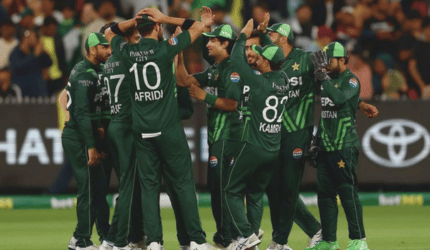
Afghanistan can beat England. Ireland can eliminate Pakistan. Associates aren’t just participating, they’re competing. And it’s not luck; it’s mathematics.
In a 50-over match, variance evens out. The better batting lineup usually scores more. The better bowling attack usually takes wickets. Over 100 overs, quality tends to surface.
But in 40 overs total? One inspired spell of bowling changes everything. Two batters having career days change everything. A pitch that behaves weirdly for 90 minutes changes everything.
The sample size is small enough that execution matters more than reputation. That’s terrifying for favorites and intoxicating for everyone else.
The Tactical Chess Match No One Talks About Enough
While everyone focuses on sixes and yorkers, the real battle is happening in the captain’s mind.
Should you bowl your best bowler in the powerplay or save him for the death? Will you promote the lower-order hitter because the matchup favors him, even though it looks bad if he gets out first ball? Do you take the Deep Backward Square fielder out to create a gap, gambling that the batter won’t find it?
These decisions happen in real-time, with millions watching, and there’s no time to consult analytics teams or sleep on it. You choose, and 45 seconds later, you know if you’re a genius or getting destroyed on social media.
The best captains aren’t just reacting, they’re setting traps three overs in advance. They’re forcing batters into mistakes by making them think they’ve spotted a weakness. They’re using field placements to manipulate psychology as much as physics.
This is chess played at 140 kilometers per hour.
What This Tournament Reveals About Modern Cricket
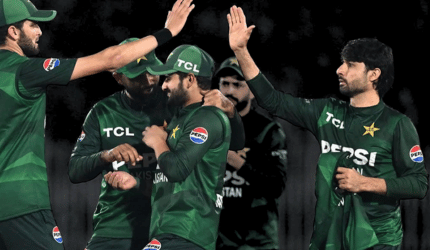
The T20 World Cup isn’t just entertainment; it’s a laboratory showing where cricket is heading.
Batting has become ambidextrous. Players now switch-hit, ramp, scoop, and reverse-sweep as these shots have always existed. Watch a tournament from 2007, then watch this one. The sport has evolved faster in 18 years than it did in the previous 50.
Bowling has become hyper-specialized. There are now bowlers whose entire value is delivering 24 balls at the death. They might not bowl well in overs 7-15, and that’s fine; teams carry them specifically for those desperate final moments.
Fielding standards are absurd. A direct hit from the boundary isn’t remarkable anymore; it’s expected. Diving catches are routine. The athletic baseline has shifted so dramatically that players from 20 years ago would struggle to make squads based on fielding alone.
Franchise cricket influenced all of this, but the World Cup is where it’s tested under the ultimate pressure. The innovations that work here spread everywhere.
Why You Should Care (Even If You Don’t Usually)
Maybe you’re not a cricket obsessive. Maybe you only tune in for major tournaments. That’s fine, this event is designed for you.
It fits your schedule. Matches last 3-4 hours, not multiple days. You can watch an entire game in an evening and still have a life.
It doesn’t punish you for missing context. Unlike a test series, where you need to understand what happened over five days, each T20 match is self-contained. Jump in anywhere.
The drama is immediate. You don’t need to understand the nuances of off-spin bowling on a fifth-day pitch. You just need to watch that batter launch the ball into the stands and understand: that’s 6 runs, and it matters enormously.
And if you do understand the deeper tactics? Even better. There are layers here for everyone.
Be There When History Happens
The atmosphere during a T20 World Cup knockout match isn’t something a screen can fully capture—the collective gasp when a catch goes up, the eruption when it’s taken, the tension so thick you can feel 40,000 people holding their breath simultaneously.
[Check Ticket Availability for Key Matches →]
The Matches You Absolutely Cannot Miss
Not every game carries equal weight. Some are functional exhibitions. Others are potential classics before the first ball is bowled.
Any India vs. Pakistan match will have a billion people watching and enough tension to power a small city. These aren’t just cricket matches; they’re geopolitical events with a scoreboard.
Rival knockout games between Australia and England, or South Africa and anyone in an elimination match (given their knockout history), bring decades of baggage onto the field.
The underdog-versus-giant moments where an associate nation or lower-ranked side has a genuine chance to pull off the upset. These matches matter because they validate the entire tournament structure.
And then there’s the final itself, where everything learned, every tactic refined, every nerve steadied across weeks comes down to one match. Win, and you’re immortal. Lose, and you’re the answer to a trivia question about who finished second.
How to Actually Watch This Tournament Live
This tournament will produce moments that get replayed for decades. Catches that defy physics. Innings that redefine what’s possible. Matches that entire nations remember exactly where they were when they watched.
You can experience these moments through a screen, or you can be in the stadium when they happen.