


Jannik Sinner vs Carlos Alcaraz: The Rivalry Shaping the Future of Tennis
June 2026The New Era Tennis Fans Cannot Stop Watching
In a world where live entertainment is constantly under the microscope, from Ticketmaster overpricing debates around major artists such as Olivia Dean, Lewis Capaldi and Harry Styles, fans are becoming more selective about what truly deserves their attention. The tennis rivalry between Jannik Sinner vs Carlos Alcaraz is a prime example of sport delivering on that sense of occasion. That same question now follows sport too: what makes a live spectacle feel historic?
In tennis, the answer is increasingly simple: Jannik Sinner and Carlos Alcaraz.
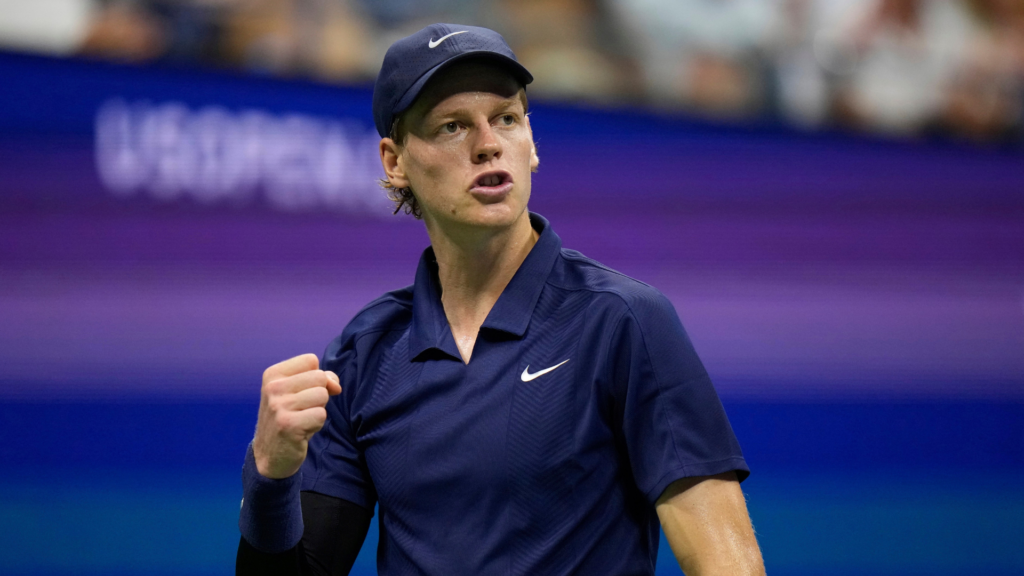
The two players have become the clearest symbols of a changing era. They are not simply talented young athletes collecting titles and headlines. They represent two different visions of modern tennis. Sinner brings clean power, ruthless control and ice-cold consistency. Alcaraz brings speed, creativity, risk-taking and a sense of theatre that makes even routine points feel unpredictable.
Together, they are building the kind of rivalry that tennis has always needed to move from one generation to the next.
Why Jannik Sinner and Carlos Alcaraz Matter
Every sport needs its next great storyline. Tennis has been unusually fortunate over the last two decades, with Roger Federer, Rafael Nadal, Novak Djokovic and Andy Murray setting a standard that may never be repeated in quite the same way.
That created a problem for the next generation. Being good was never going to be enough. Whoever followed had to be compelling.
Sinner and Alcaraz have answered that challenge faster than many expected.
Both players reached the top of the game at a young age. Both have already shown they can handle the pressure of major finals, long seasons and global attention. More importantly, both have styles that feel distinct. This is not a rivalry built on marketing noise. It is built on contrast.
Alcaraz often looks like the more explosive player. He can defend from impossible positions, turn defence into attack in seconds and use variety to disrupt rhythm. Sinner is more surgical. His groundstrokes are compact, direct and punishing. He does not always look dramatic, but that is part of the danger. He can take control of a match without making it look chaotic.
That difference is what gives the rivalry its edge.
Jannik Sinner: Precision, Power and Calm Under Pressure
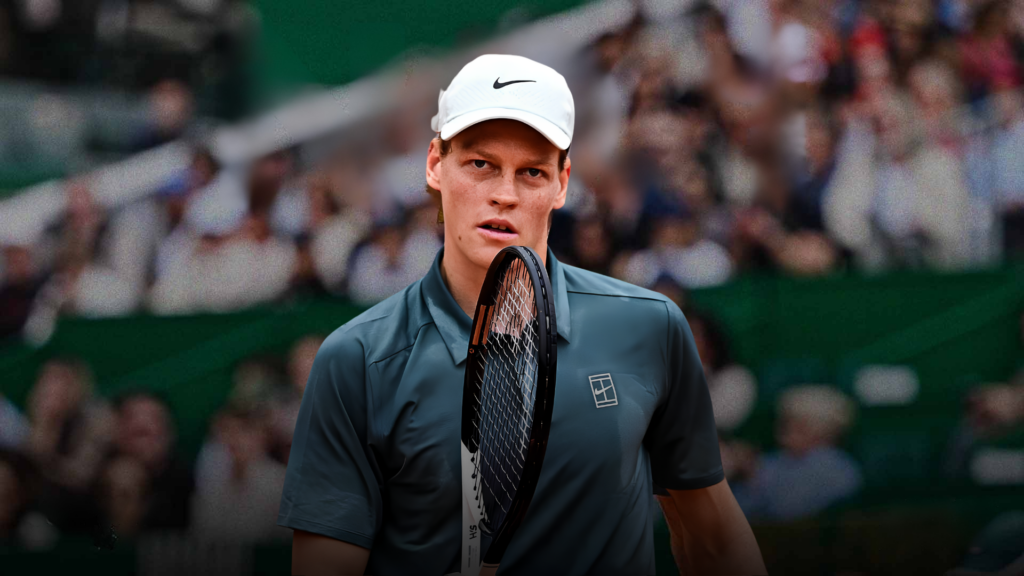
Jannik Sinner’s rise has been defined by quiet authority. He does not play with excessive emotion, and he rarely appears rushed. His game is built around timing, balance and controlled aggression.
His biggest strengths are easy to spot:
- Heavy, accurate ball-striking from both wings
- A two-handed backhand that can absorb pressure and redirect pace
- Improved serving patterns
- Excellent movement for a tall player
- A calm temperament in tense moments
Sinner’s style has drawn comparisons with Novak Djokovic because of his balance, backhand reliability and ability to take time away from opponents. The comparison is not perfect, because Djokovic’s defensive flexibility is almost impossible to copy, but Sinner has a similar habit of making opponents feel trapped.
He does not need to hit miracle shots to dominate. He wins by taking better court positions, making cleaner contact and forcing opponents into uncomfortable decisions. That kind of game tends to age well, especially if his fitness and scheduling remain well managed.
Carlos Alcaraz: The Showman With Serious Substance
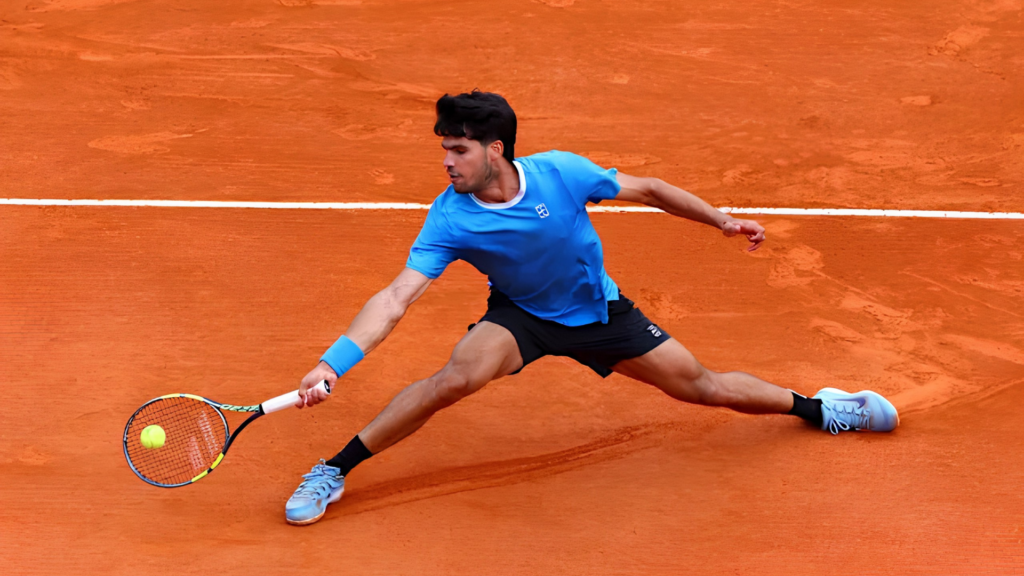
Carlos Alcaraz plays with a different kind of electricity. His tennis is athletic, bold and instinctive. He has the rare ability to make a match feel alive from the first game, even when the scoreline is ordinary.
His game combines:
- Explosive speed across the court
- A powerful forehand
- One of the best drop shots in modern tennis
- Strong net instincts
- Creative point construction
- A fearless attitude in big moments
Alcaraz is often compared with Rafael Nadal because of his Spanish background, physical intensity and emotional connection with the crowd. There are also traces of Federer in his variety and shot-making freedom. At times, he has the improvisational quality of a player who sees angles before everyone else in the stadium does.
The challenge for Alcaraz is not talent. That part is obvious. The key question is how he balances intensity with longevity. His style is physically demanding, and managing the calendar may become just as important as winning individual matches.
Sinner vs Alcaraz: Why This Rivalry Feels Different

The best tennis rivalries are not just about results. They are about identity.
Federer vs Nadal worked because it felt like art against force, elegance against intensity. Djokovic vs Nadal became a battle of endurance, precision and mental resistance. Djokovic vs Federer offered contrast between control and grace.
Sinner vs Alcaraz has its own identity: structure against spontaneity.
Sinner wants to compress the court, remove time and make tennis feel brutally efficient. Alcaraz wants to expand the court, change rhythm and create uncertainty. When they play, the match often becomes a debate about how tennis should be played in the future.
That is why their rivalry has captured attention beyond standard rankings talk. It feels like a blueprint for the next decade.
How They Compare With Tennis Legends
It is too early to say Sinner or Alcaraz will match the career numbers of Federer, Nadal or Djokovic. That kind of prediction is usually where sensible analysis goes to get a nosebleed.
But it is fair to compare qualities.
Sinner and Djokovic
Sinner shares Djokovic’s ability to control rallies through balance and depth. His backhand is a major weapon, and his calmness under pressure gives him a similar aura of inevitability when he is playing well.
Alcaraz and Nadal
Alcaraz shares Nadal’s intensity and competitive fire, but his game is more varied and unpredictable. He uses touch and surprise more often, especially with the drop shot and quick transitions forward.
Alcaraz and Federer
There are moments when Alcaraz’s creativity recalls Federer’s freedom. Not in the same effortless style, but in the willingness to attempt shots that most players would not consider under pressure.
Sinner and Agassi
Sinner’s clean baseline timing also brings Andre Agassi to mind. He can take the ball early, redirect pace and make opponents feel as though they are always half a step late.
These comparisons are useful, but only up to a point. The real interest is that both players are already building their own templates.
What Could Decide Their Futures?
The future of Jannik Sinner and Carlos Alcaraz will not be decided by talent alone. Both have enough of that. The bigger factors are more practical.
Fitness
Modern tennis is punishing. The schedule is long, surfaces change quickly and the physical load is enormous. The player who manages his body best may gain a major long-term advantage.
Adaptability
Great players evolve. Federer changed his backhand patterns. Nadal improved his serve and court positioning. Djokovic became more aggressive over time. Sinner and Alcaraz will need similar upgrades as opponents study them more closely.
Mental consistency
Winning one major title is difficult. Staying motivated after success is harder. The legends separated themselves by returning year after year with the same appetite.
Rival pressure
A great rival can be a problem, but also a gift. Sinner and Alcaraz may push each other into higher levels, just as Federer, Nadal and Djokovic did. If one improves, the other has to respond.
Could Sinner and Alcaraz Dominate Tennis?
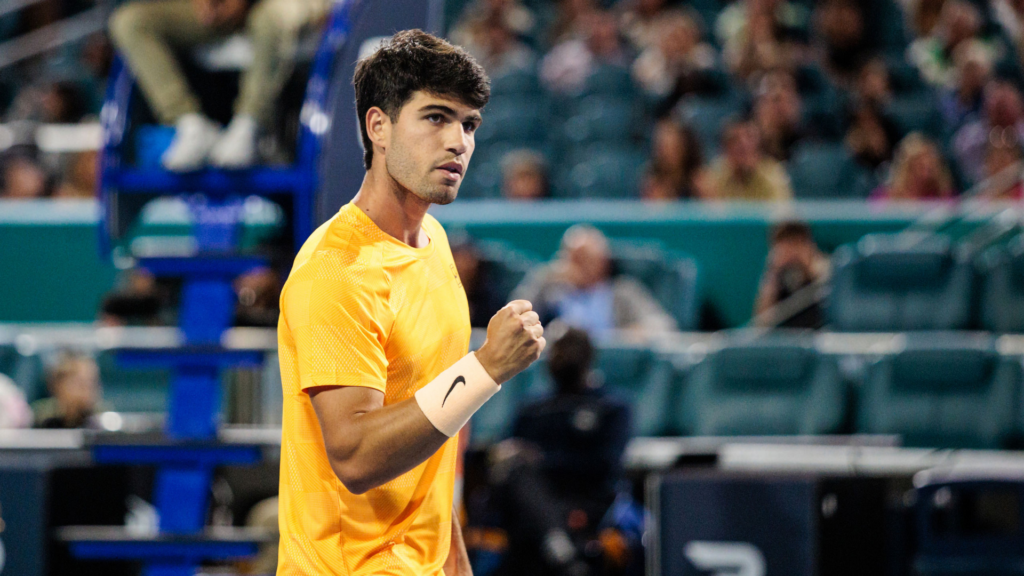
They have the tools to lead the sport for years, but domination is never guaranteed. Tennis rarely moves in a straight line. Injuries, new rivals, form swings and surface changes can alter everything.
Still, Sinner and Alcaraz already look like the two players most likely to define the next major chapter of men’s tennis. Their games are complete enough to win across different conditions, and their rivalry has the rare mix of quality, contrast and personality.
The exciting part is that neither appears finished. Sinner can still become more dangerous at the net and continue improving his serve. Alcaraz can become more selective with risk and learn when to win simply rather than spectacularly.
That should worry the rest of the tour.
The Future of Tennis Looks Personal
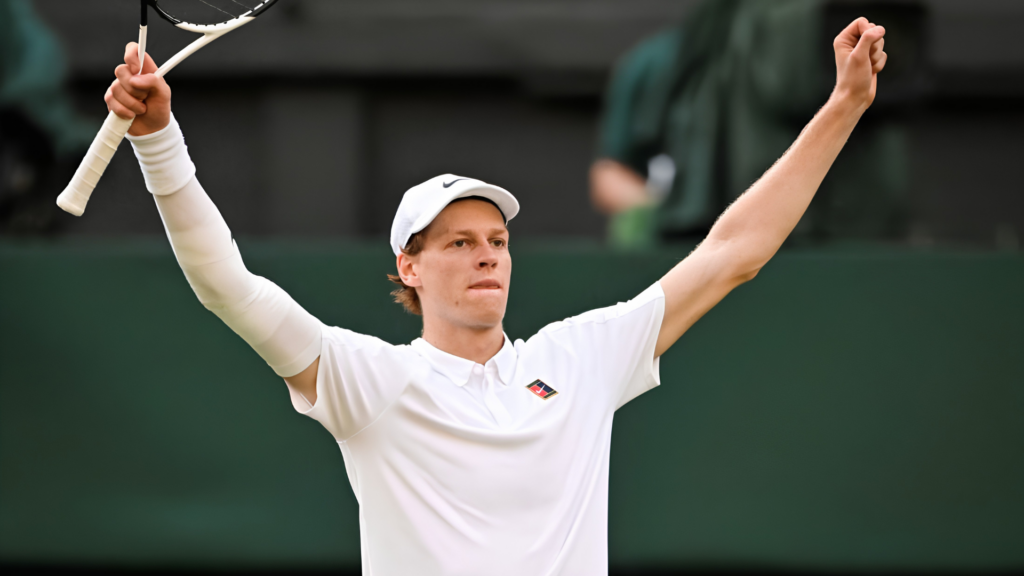
Sport is at its best when fans feel they are watching something that might matter years later. That is the power of Sinner and Alcaraz. Their matches do not feel like isolated results. They feel like chapters.
One player offers control. The other offers chaos. One builds pressure like a machine. The other breaks patterns like an artist. Both are young enough to grow, experienced enough to win now, and ambitious enough to chase history.
The next great tennis era may not look exactly like the last one. It does not need to.
With Jannik Sinner and Carlos Alcaraz at the centre of it, the future already has its headline.


