


Boyzone Live: Why These Concerts Turn Into Group Therapy
January 2026Walk into a Boyzone concert, and you will notice something unusual. Grown adults are crying. Strangers are hugging. People who arrive alone leave feeling like they shared something profound with thousands of others they will never see again. This is not typical concert behavior. This is collective catharsis disguised as a pop show.
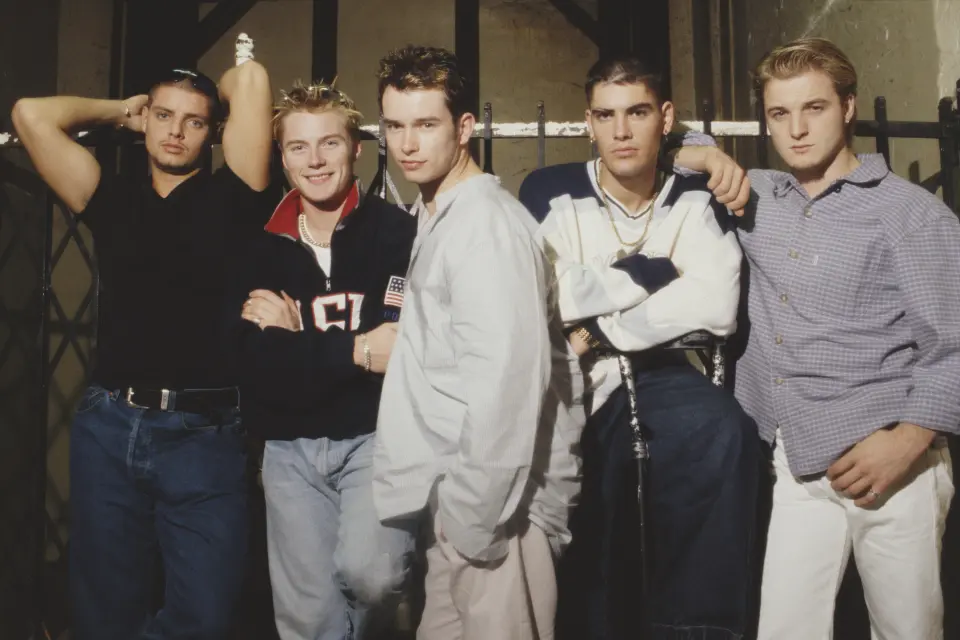
The Soundtrack to Growing Up
For a specific generation, Boyzone was unavoidable. Their voices filled bedrooms, school discos, and first slow dances. Songs like “No Matter What,” “Words,” and “Father and Son” became woven into the fabric of adolescence.
Hearing those songs live does not just trigger memories. It transports people back to who they were when those songs mattered most. The vulnerability of youth resurfaces. This is why a Boyzone concert feels different from other nostalgia tours. The band is not just playing old hits. They are reopening chapters of their audience’s lives that have been closed for decades.
The Stephen Gately Factor
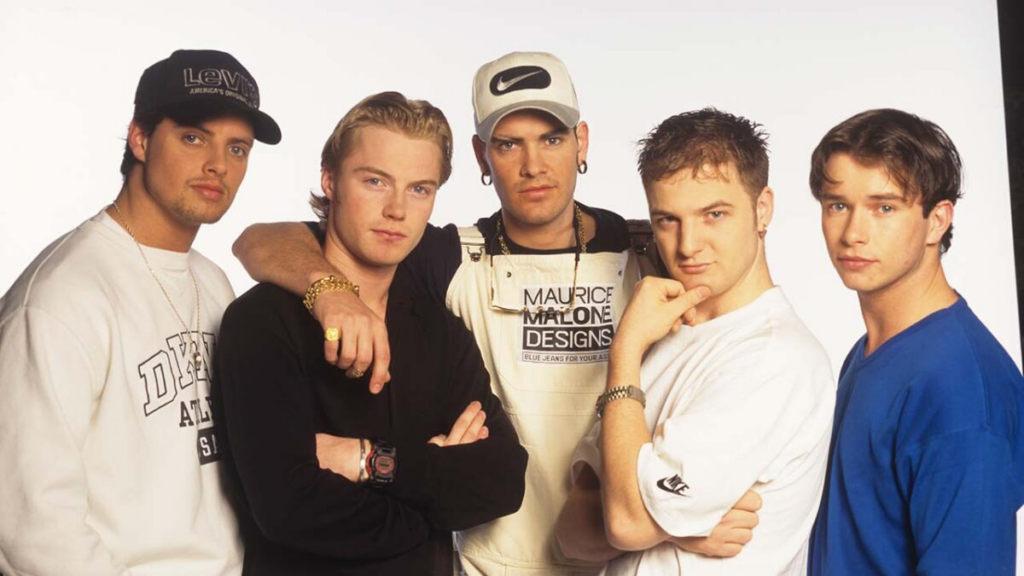
You cannot discuss Boyzone’s live shows without addressing the absence that defines them. Stephen Gately’s death in 2009 fundamentally changed what these concerts represent.
Every performance carries his memory. The band dedicates songs to him. Video tributes play on screens. The remaining members speak openly about loss, grief, and moving forward without someone irreplaceable. When Ronan Keating’s voice breaks during “No Matter What,” it is not weakness. It is an invitation to feel everything you have been holding back.
For many fans, Stephen was their first experience with genuine loss. Boyzone’s willingness to make that grief visible creates permission for the audience to process their own losses. The arena becomes a safe space for emotions that daily life rarely accommodates.
Shared Emotion as Healing
There is something therapeutically powerful about collective emotion. When an entire arena sings “I’ll be there, no matter what” in unison, individual loneliness dissolves temporarily. Your specific pain becomes part of a larger tapestry of human experience.
Modern life is isolating. We curate our emotions for social media. We perform strength while hiding vulnerability. A Boyzone concert flips that script entirely. Everyone is openly sentimental. Everyone admits they miss the past. Everyone acknowledges that growing up meant losing something precious.
This shared vulnerability creates unexpected connections. The show creates a structured environment where it is safe to feel intensely. You arrive carrying the weight of adult responsibilities and unprocessed emotions. You leave lighter, not because problems are solved, but because you were allowed to acknowledge them fully.
The Verdict
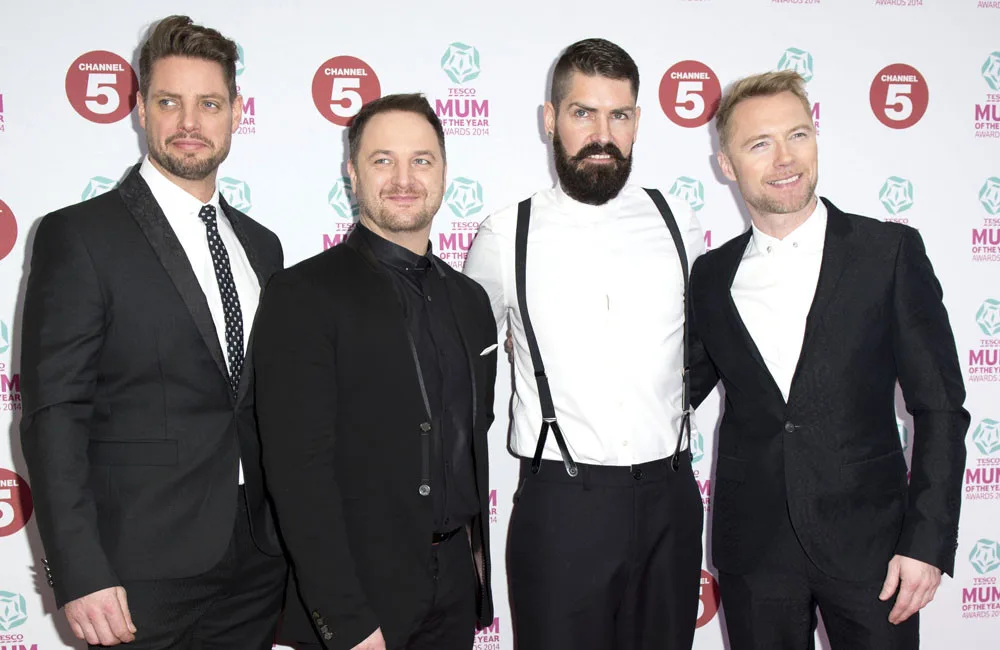
Boyzone shows turn into group therapy because they provide something increasingly rare: permission to feel without judgment. The tears are not embarrassing. They are evidence that something real is happening. That the music still matters. That Stephen’s absence is felt, but his presence remains in every note.
Some concerts are about escape. Boyzone concerts are about confronting everything you have been carrying and discovering you do not have to carry it alone.



 Fri 05 Jun - Sat 06 Jun 2026
