


Monaco Grand Prix 2026: The Crown Jewel of Formula 1
June 2026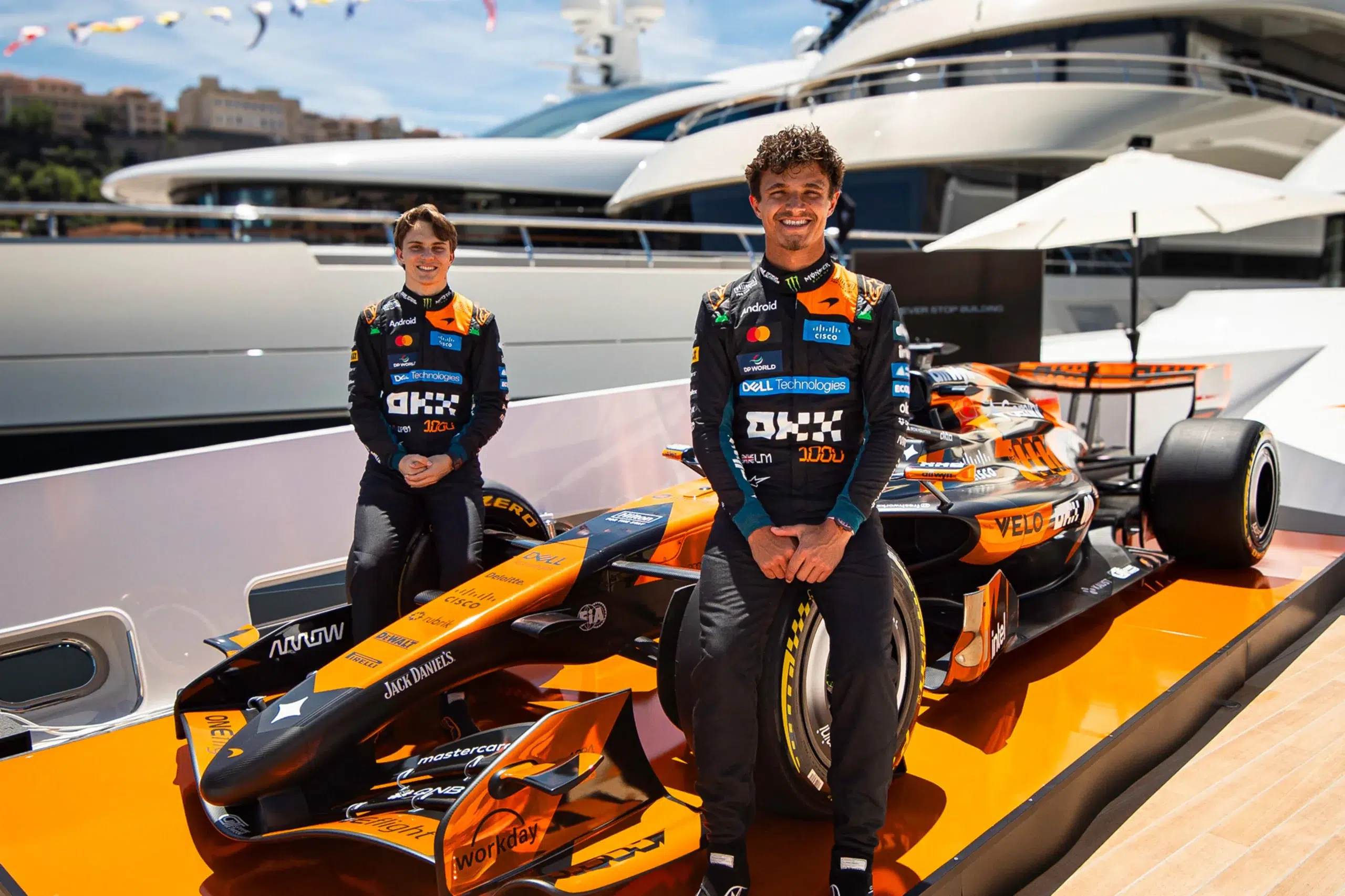
There is no race on the Formula 1 calendar quite like the Monaco Grand Prix. Held through the impossibly narrow streets of Monte Carlo, it has been captivating motorsport fans since 1929 and remains the most glamorous, most demanding, and most historically rich event in the sport. In 2026, the race takes on added significance with the championship battle heating up, a new slot in the calendar, and a milestone celebration that stretches back six decades. Here is everything you need to know.
What Is the Monaco Grand Prix?
The Monaco Grand Prix is a Formula 1 World Championship race held annually on the Circuit de Monaco, a permanent street circuit that weaves through the roads, tunnels, and harbour front of the Principality of Monaco. Unlike purpose-built racing tracks, the roads here are used by ordinary traffic for most of the year, only transforming into one of the world’s most demanding racing venues for a single weekend each spring.
The race is widely regarded as one of the three greatest motorsport events on the planet, alongside the Indianapolis 500 and the 24 Hours of Le Mans. This trio is known as the Triple Crown of Motorsport, and only one driver in history, Graham Hill, has ever won all three.
The 2026 Monaco Grand Prix: Dates, Schedule, and How to Watch
The 2026 Monaco Grand Prix takes place on Sunday, 7 June 2026, with the race starting at 3:00 pm local time (CEST). Free Practice 1 and Free Practice 2 take place on Friday, 5 June, while Saturday, 6 June brings Free Practice 3 in the morning followed by the all-important Qualifying session at 3:00 pm. Unlike sprint weekends, Monaco runs the traditional format of three practice sessions before qualifying.
For the first time in its modern history, Monaco is not taking place in its traditional late-May slot. The date change is the result of an F1 calendar overhaul focused on logistics and sustainability, allowing teams to keep their freight in North America after the Miami Grand Prix and transport it directly to Montreal before eventually crossing the Atlantic to Europe. The shift means Monaco now officially opens the European leg of the season.
In the UK, every session is live on Sky Sports F1. The Grand Prix itself starts at 2:00 pm BST on Sunday afternoon. F1 TV Pro also carries full coverage in supported territories.
What to Look Forward to at Monaco 2026
Charles Leclerc at Home
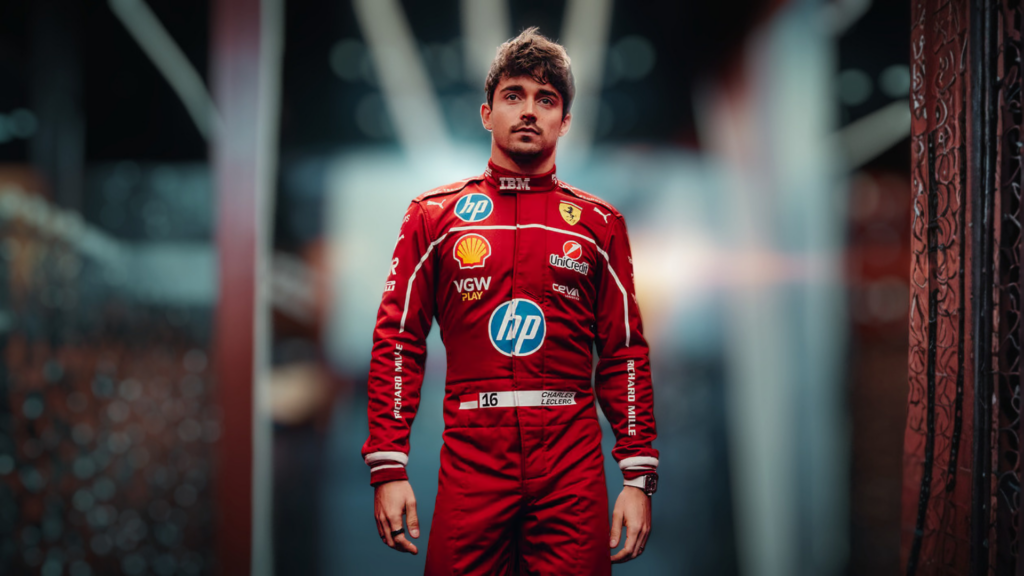
Charles Leclerc is the bookmakers’ favourite heading into the race weekend. The Monegasque Ferrari driver grew up in Monaco and knows every inch of this circuit better than almost anyone alive. After finally ending his long wait for a home win with a dominant victory in 2024, Leclerc will arrive with enormous motivation to repeat the feat. Ferrari’s SF-26 has shown particular strength through slow and medium-speed corners all season, which lines up perfectly with Monaco’s demands. If Leclerc secures pole on Saturday, he will be extremely difficult to beat.
Lewis Hamilton is also heading to Monaco in strong form. His second-place finish in Canada was his best weekend with Ferrari, and three career wins at Monaco give him more experience around these streets than almost anyone else in the field. A front-row lockout for Ferrari is not out of the question.
Kimi Antonelli’s Pursuit of History
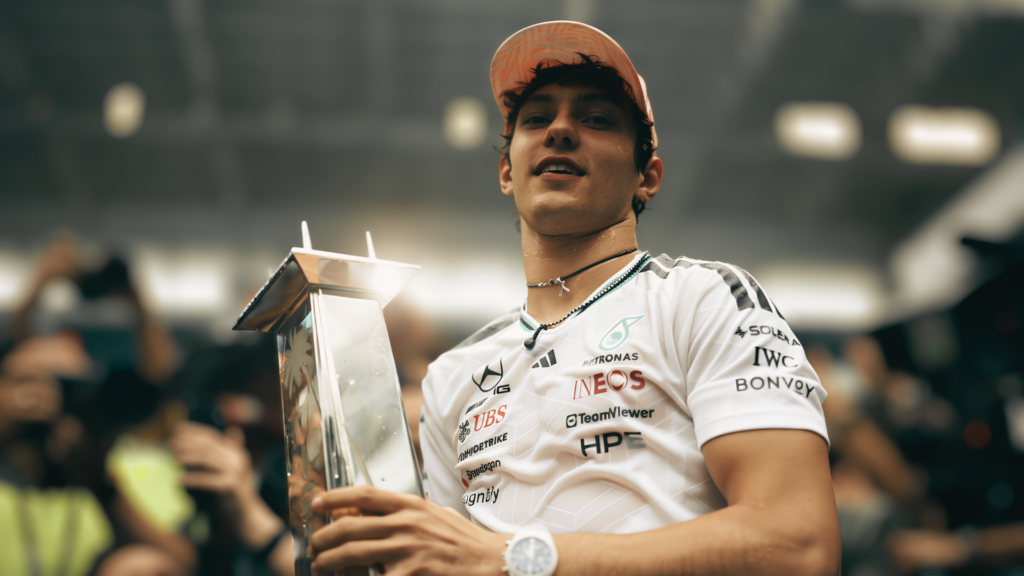
The 2026 season has been remarkable. Mercedes rookie Kimi Antonelli, 19 years old, has won four consecutive Grands Prix and arrives in Monaco with a 43-point lead at the top of the Drivers’ Championship. A fifth straight win would make him the first Italian driver to win at Monaco since Jarno Trulli in 2004. The narrow, unforgiving streets of Monte Carlo will be the toughest test of his young career, but Antonelli has shown remarkable composure throughout the season. He has gone on record saying he believes the smaller 2026 cars could allow for more overtaking than Monaco has seen in recent years.
Lando Norris and McLaren’s 1000th Race
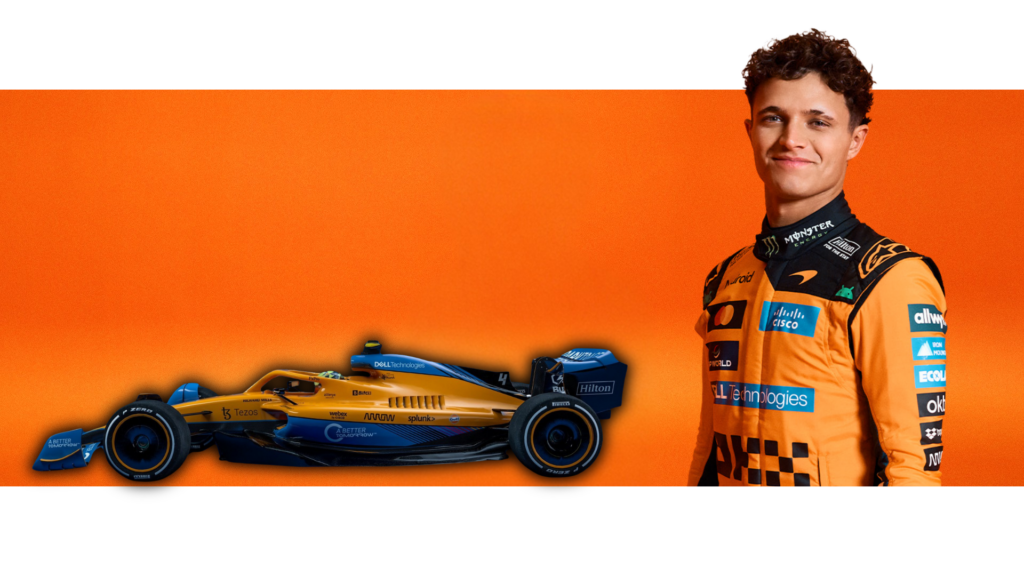
This particular Monaco weekend carries enormous sentimental weight for McLaren. It marks the team’s 1000th Formula 1 Grand Prix start, making McLaren only the second team in history after Ferrari to reach that milestone. The symmetry is almost poetic: McLaren’s very first F1 race was the 1966 Monaco Grand Prix, when founder Bruce McLaren drove the team’s M2B on these same streets sixty years ago.
To celebrate, McLaren is running a special one-off livery on the MCL40, finished in metallic papaya orange and anthracite with “1000” printed on the sidepods. Both Lando Norris and Oscar Piastri are wearing matching commemorative race suits. On Thursday, 4 June, the original 1966 M2B was displayed on the Monaco grid alongside the current MCL40, with Zak Brown, Andrea Stella, Norris, Piastri, and F1 President Stefano Domenicali all present, joined by former McLaren Grand Prix winners from across the team’s history. Norris won in Monaco in 2025, so the team arrives not just with history on its side, but recent race-winning credentials too.
2026 Cars and the Question of Overtaking
One of the persistent criticisms of Monaco in recent years has been the near-impossibility of overtaking. The 2026 F1 cars are notably narrower than their predecessors, and drivers across the grid have suggested this could open the door to wheel-to-wheel combat through the streets. Whether that materialises remains to be seen, but the prospect of genuine racing, rather than a procession dictated entirely by Saturday’s qualifying, is one of the most intriguing storylines of the weekend.
A Brief History of the Monaco Grand Prix
The Beginning: 1929
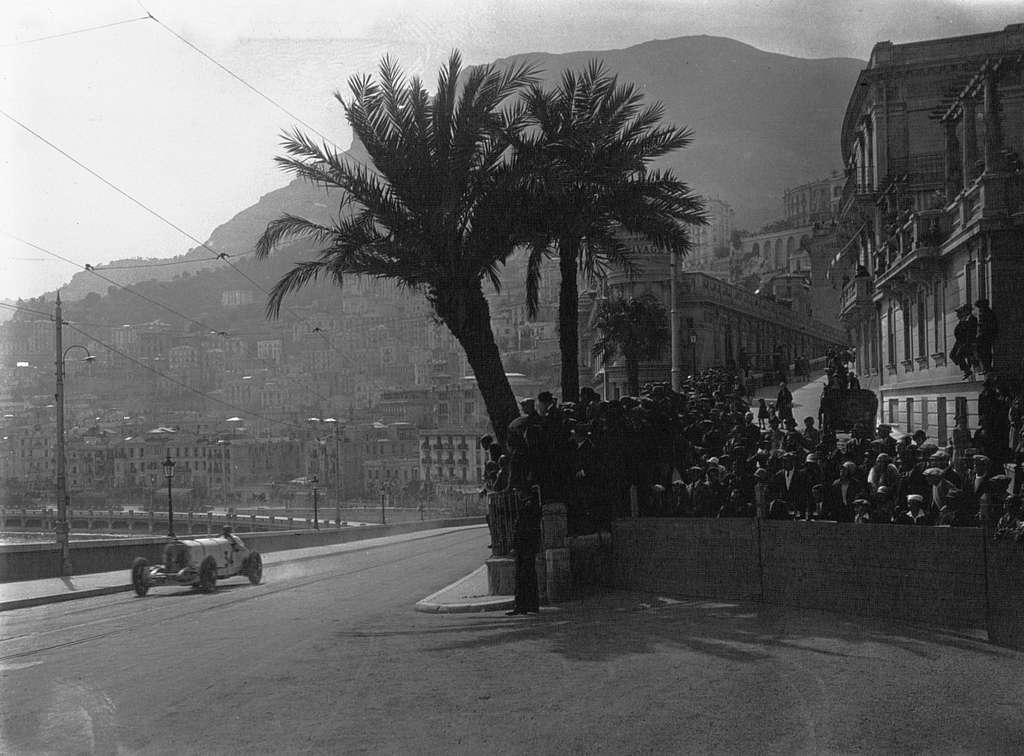
The Monaco Grand Prix was the brainchild of Antony Noghes, a cigarette manufacturer and founder of the Automobile Club de Monaco, who organised the first race in 1929 under the patronage of Prince Louis II. The idea came from a practical challenge: the Automobile Club could only be recognised internationally if it staged a race within Monaco’s territory, and the streets of the principality were the only option available. The last corner on the circuit, Antony Noghes, is named in his honour.
That first race already produced the kind of drama Monaco would become famous for. Drivers navigated roads they also used to get home, crowds watched from café terraces and apartment windows, and the whole event carried an intimacy that no other race in the world has ever replicated.
Joining the World Championship: 1950
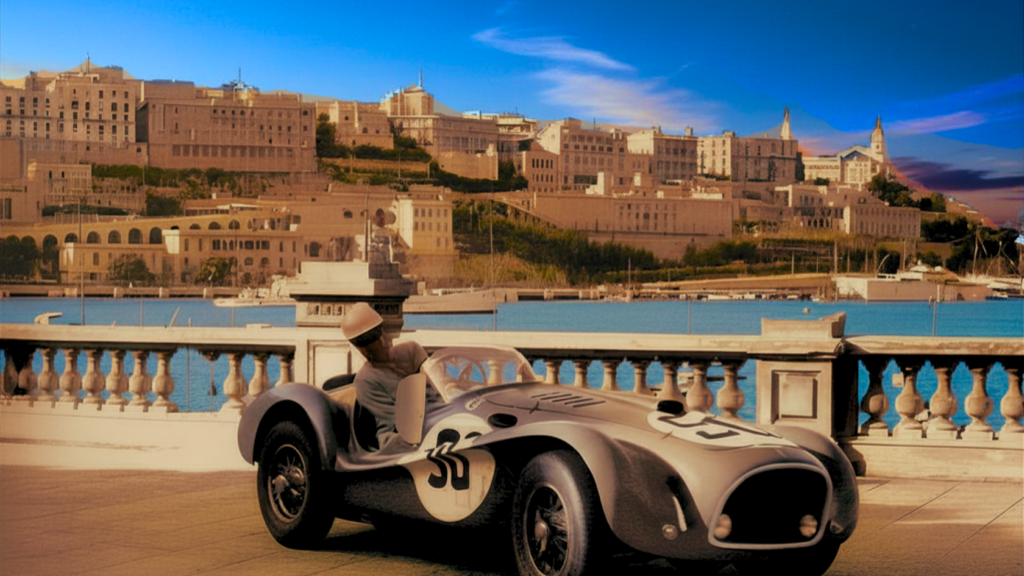
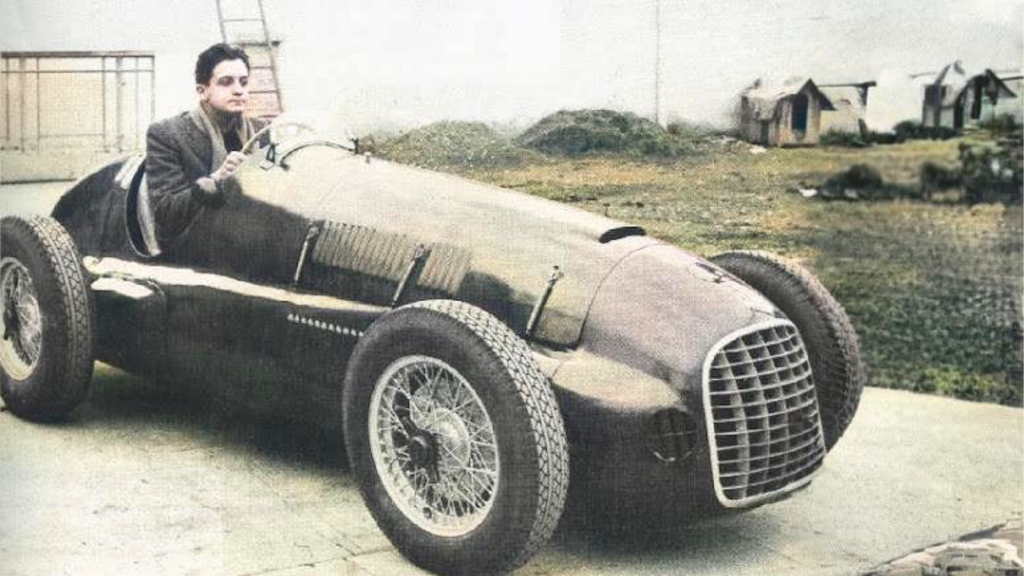
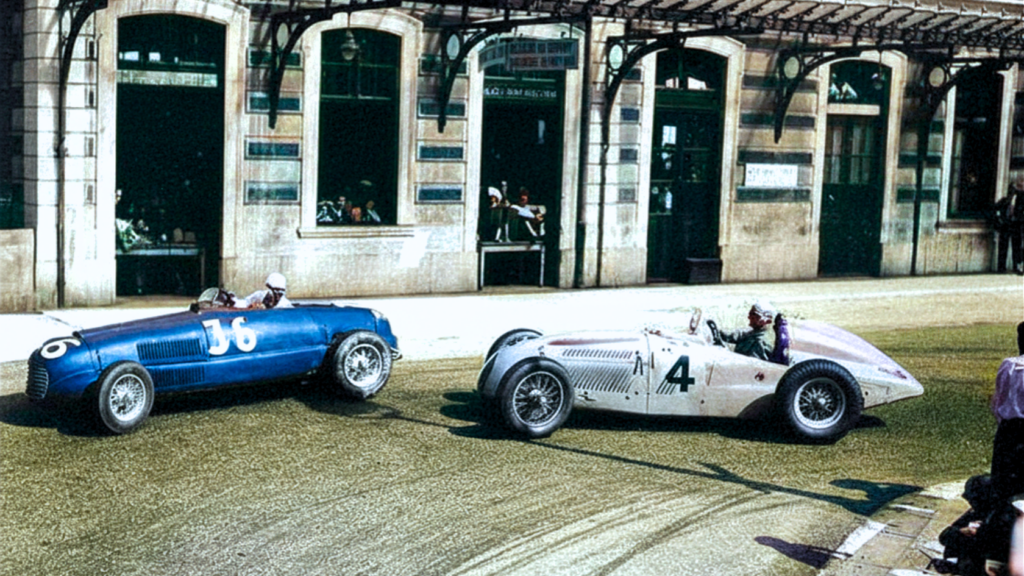
Monaco was part of the very first Formula 1 World Championship season in 1950, cementing its status at the top of the sport from the beginning. It has been a fixture on the calendar almost continuously since 1955, with the only significant absence being 2020, when the COVID-19 pandemic led to its cancellation.
How the Circuit Evolved
The Circuit de Monaco has changed many times since its original 12-corner layout, though the spirit of the track has never really shifted. The original configuration began on Boulevard Albert I and wound through Saint Devote, Beau Rivage, Casino Square, the Station Hairpin, and down to the harbour. In 1952, the circuit saw its first fatality when Luigi Fagioli succumbed to injuries sustained in the tunnel.
Significant changes came in 1973 when a new hotel under construction in the old Station Hairpin area forced the extension of the tunnel and the creation of the modern section past the Piscine complex, adding the La Rascasse corner and the Antony Noghes curve before the start-finish straight. The Nouvelle Chicane at the harbourfront was remodelled in 1986. Various small adjustments have been made for safety since, but the character of the circuit remains closer to the original 1929 layout than almost any other track in world motorsport.
The current circuit is 3.337 kilometres long. Drivers complete 78 laps for a total race distance of just over 260 kilometres. A full race is typically completed in under two hours.
The Circuit de Monaco: Corner by Corner
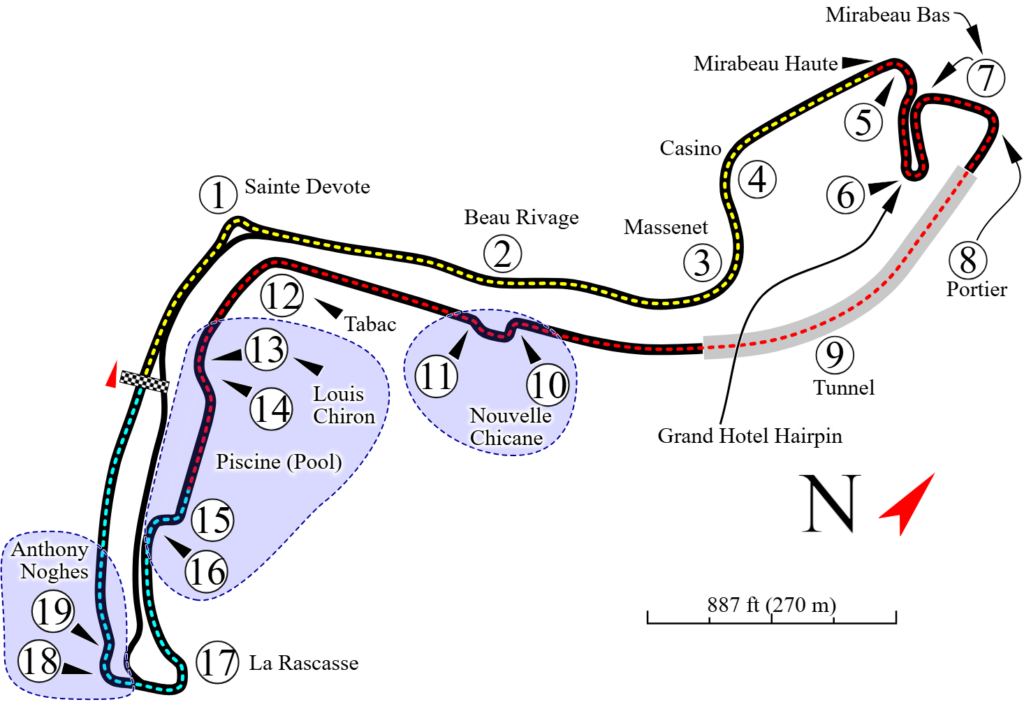
The Circuit de Monaco is defined by its contrasts. It contains the slowest corner in Formula 1, the Grand Hotel Hairpin, taken at approximately 50 km/h, and a flat-out kink through the tunnel where drivers reach 260 km/h. In between those extremes, drivers face 19 corners on roads barely wide enough for two modern F1 cars to sit side by side.
Sainte Devote (Turn 1) is the first serious test of the lap and the first opportunity for carnage. Named after a small chapel nearby that is usually hidden behind the barriers on race weekend, it is a right-hander that rewards commitment from the front of the grid and punishes anyone fighting through traffic.
Beau Rivage means “beautiful seashore” in French and is the long uphill stretch towards Casino Square, where the gradient and the compression make braking especially demanding.
Casino Square (Turns 4 and 5) passes metres from the famous casino itself, one of the most recognisable backdrops in all of sport.
The Grand Hotel Hairpin (Turn 6) is the defining corner of the circuit. Unchanged since 1929, it is the slowest point in Formula 1 racing, requiring drivers to almost completely reverse direction while their cars are barely moving. Getting the exit right is crucial for the approach to the tunnel.
The Tunnel (Turn 9) is unique in motorsport. Drivers transition from natural sunlight to artificial light and back to sunlight again within a few seconds while accelerating hard. The adjustment plays tricks with depth perception and is one of the least visible corners to television cameras.
Nouvelle Chicane (Turns 10 and 11) sits at the harbour’s edge and was remodelled in 1986. It is one of the few points on the circuit where a driver can attempt an overtake under braking, though it rarely ends cleanly.
Piscine (Turns 15 and 16) snakes around the outdoor swimming pool of the Stade Nautique, one of the most visually distinctive sections of any circuit in the world.
La Rascasse (Turn 18) is named after the fisherman’s bar that sits on the outside of the corner and has been the scene of some of the most contentious moments in Monaco history, including Michael Schumacher’s infamous deliberate stop during qualifying in 2006 that earned him a grid penalty.
The Legends of Monaco
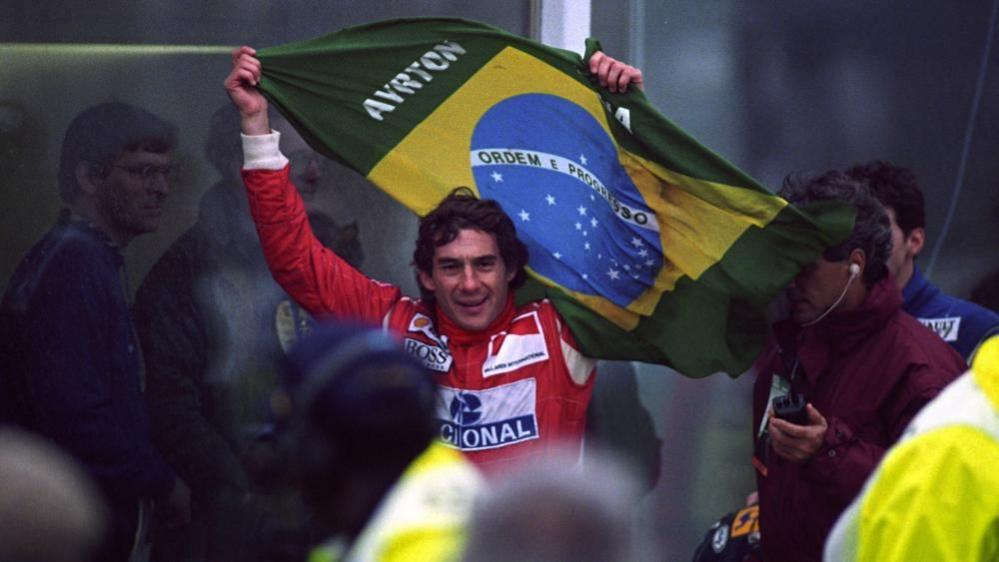
No driver in history has dominated Monaco more completely than Ayrton Senna. The Brazilian won six times at Monaco, including five consecutive victories between 1989 and 1993, a record for consecutive wins at a single circuit that has never been beaten. His mastery of the wet 1984 race, when he was closing on race leader Alain Prost in a much slower car before the red flag came out, remains one of the most discussed performances in motorsport history.
Graham Hill was so synonymous with Monaco in the 1960s that he earned the nickname “Mr Monaco” for his five victories on the circuit. He remains the only driver ever to complete the Triple Crown of Motorsport, winning at Monaco, Indianapolis, and Le Mans.
Michael Schumacher won five times in Monaco, cementing his own legend on a circuit that rewards precision above raw pace. Alain Prost won four times, while Nico Rosberg won three consecutive editions between 2013 and 2015. Lewis Hamilton has three Monaco victories, though his record at the circuit has been as much defined by near-misses as by wins.
McLaren hold the record for the most Monaco victories by a constructor with 15 wins, with Senna responsible for a significant portion of that tally.
Frequently asked questions about Monaco Grand Prix
When is the Monaco Grand Prix 2026?
The 2026 Monaco Grand Prix takes place on Sunday, 7 June 2026. The race starts at 3:00 pm local time in Monte Carlo (2:00 pm BST). Free practice begins on Friday, 5 June, with qualifying on Saturday, 6 June at 3:00 pm local time.
Where is the Monaco Grand Prix held?
The Monaco Grand Prix is held on the Circuit de Monaco in Monte Carlo, a 3.337-kilometre street circuit that runs through the public roads of the Principality of Monaco. The track runs along the harbour, through a tunnel, past Casino Square, and around the narrow streets of one of the world’s most expensive postcodes.
How long is the Monaco Grand Prix?
The race covers 78 laps of the 3.337-kilometre circuit, giving a total race distance of 260.286 kilometres. Race duration is typically between 1 hour 40 minutes and 2 hours, depending on safety car periods and strategy.
Who has won the Monaco Grand Prix the most times?
Ayrton Senna holds the all-time record with six Monaco Grand Prix victories. He also won five consecutive races at Monaco between 1989 and 1993, a record for consecutive wins at a single F1 circuit. Graham Hill and Michael Schumacher each won five times, while Alain Prost won four and Nico Rosberg won three consecutive editions from 2013 to 2015.
Why is the Monaco Grand Prix so special?
Monaco is special because of the combination of factors that exist nowhere else in Formula 1. The circuit runs through real city streets with no meaningful run-off areas, meaning any contact with the barrier ends a race. Overtaking is extremely rare, making qualifying position critical and giving the whole weekend a chess-match quality that other circuits simply cannot replicate. The venue itself, the harbour, the casino, the yachts, the hillside apartments, creates a backdrop unlike anything else in world sport. It also has nearly 100 years of racing history behind it.
Why is qualifying so important at Monaco?
At most circuits, a driver who starts outside the top five can still fight their way through the field. At Monaco, the barriers are so close together, and the roads so narrow that a car in second place cannot reliably pass the car in first unless there is a major strategic difference or an incident. Since 1984, the driver who qualifies on pole has won the race more often than at any other circuit on the calendar. Saturday afternoon in Monaco frequently decides Sunday’s result.
Who is the favourite for the 2026 Monaco Grand Prix?
Charles Leclerc enters the weekend as the bookmakers’ favourite. The Monegasque Ferrari driver grew up in Monaco, won his home race in 2024, and drives for a team whose car has shown particular strength through the slow-speed corners that dominate the Circuit de Monaco. Championship leader Kimi Antonelli is the second favourite following four consecutive race victories, with Lewis Hamilton and Lando Norris also considered realistic contenders.
What are the 2026 F1 cars and why does it matter at Monaco?
The 2026 Formula 1 regulations introduced smaller, lighter, and narrower cars compared to the previous generation. At Monaco specifically, this matters because the historical lack of overtaking has been partly attributed to modern cars being too wide for the streets. Several drivers have suggested the 2026 cars could generate more genuine racing through the tight sections of the circuit, though opinions differ on how significant the improvement will be in practice.
What is McLaren celebrating at Monaco 2026?
McLaren is racing its 1000th Formula 1 Grand Prix at Monaco 2026, making it only the second team in the sport’s history after Ferrari to reach that milestone. The occasion carries particular meaning because Monaco was also the venue for McLaren’s very first F1 race, when founder Bruce McLaren drove the team’s M2B at the 1966 Monaco Grand Prix. The team is running a special metallic papaya and anthracite livery on the MCL40 for the occasion, with a commemorative ceremony on the Monaco grid bringing together former McLaren Grand Prix winners.
Is the Monaco Grand Prix still on the F1 calendar?
Yes. The Monaco Grand Prix remains part of the 2026 Formula 1 World Championship calendar as Round 6 of the season. It runs from 5 to 7 June 2026. There was uncertainty in previous years about Monaco’s long-term place on the calendar following contract negotiations with the Automobile Club de Monaco, but the race continues as a fixed feature of the sport’s schedule.


