Stepping into the world of horse racing for the first time can feel like learning a foreign language. From the paddock to the parade ring, from furlong to form, the sport comes with its own rich vocabulary that can leave newcomers feeling bewildered. Whether you're planning your first day at the races or simply want to understand what the commentators are talking about, this guide will help you decode the jargon and master the basics of horse racing betting.
Essential Racing Terminology
The Basics
Furlong - The standard unit of distance in horse racing, equal to one-eighth of a mile or 220 yards. Most races are measured in furlongs, with sprint races typically running between 5-7 furlongs and longer races extending to 16 furlongs (two miles) or more.
Going - The condition of the track surface, which significantly impacts how horses perform. The going is classified from firm (fast, dry ground) through good, good-to-soft, soft, and heavy (wet, muddy conditions). Some horses excel on firm ground while others prefer softer conditions.
Handicap - A race where horses carry different weights based on their ability, designed to give all runners a theoretically equal chance of winning. Higher-rated horses carry more weight to level the playing field.
Maiden - A horse that has never won a race, or a race specifically for horses that haven't won before. Maiden races are often where future champions begin their careers.
Form - A horse's recent racing record, typically shown as a series of numbers indicating finishing positions. For example, "1-2-3" means the horse won its last race, finished second in the race before that, and third in the race before that.
At the Racecourse
Paddock - The area where horses are saddled and paraded before a race, allowing spectators to inspect the horses before placing their bets. It's an excellent opportunity to assess a horse's condition and temperament.
Parade Ring - Similar to the paddock, this is where horses walk around before a race and where jockeys receive final instructions from trainers.
Weighing Room - Where jockeys weigh in before and after races to ensure they're carrying the correct weight, including their riding equipment and any additional lead weights if needed.
Starting Stalls - Metal gates that hold horses in place before the start of a flat race. When all horses are loaded, the gates spring open simultaneously to begin the race.
Winner's Enclosure - The special area where the winning horse, jockey, and connections gather for photographs and presentations after the race.
Racing Action
Odds-On - When a horse is strongly favored to win, with odds shorter than evens (for example, 1/2 or 4/6). You need to risk more than you stand to win.
Outsider - A horse with long odds that isn't expected to win. Outsiders occasionally produce dramatic upsets that make for thrilling races.
Photo Finish - When two or more horses cross the line so close together that a photograph is needed to determine the winner. The result is announced as a "photo finish" while officials review the image.
Dead Heat - A rare occurrence when two horses cross the finish line at exactly the same time, resulting in a tie. Both horses are declared joint winners.
Stewards' Enquiry - An official investigation following a race to determine whether any rules were broken, often involving interference between horses. The result may be subject to change pending the enquiry.
Objection - When a jockey lodges a formal complaint about another horse's behavior during a race, claiming interference or dangerous riding.
Understanding Betting
Types of Bets
Win Bet - The simplest bet where you're backing a horse to finish first. If your horse wins, you collect; if it doesn't, you lose your stake.
Each-Way Bet - This is actually two bets in one: a bet on the horse to win and a bet on it to place (finish in the top positions, usually 2nd, 3rd, or 4th, depending on the number of runners). The place portion pays out at a fraction of the win odds, typically 1/4 or 1/5.
Place Bet - A bet solely on a horse to finish in the placed positions. Safer than a win bet but with lower returns.
Forecast - Selecting the first and second-place finishers in the correct order. This requires more skill but offers better returns than single bets.
Tricast - The even more challenging task of selecting the first three finishers in the correct order. The potential rewards are significantly higher.
Accumulator - A single bet linking multiple selections across different races. All selections must win for the bet to pay out, but the odds multiply, creating potentially large returns from small stakes.
Reading the Odds
Odds represent both the probability of a horse winning and the potential return on your bet. In the UK, odds are typically displayed as fractions.
2/1 (two-to-one) - For every £1 you bet, you'll win £2 profit if successful, plus your original stake returned, totaling £3.
5/2 - For every £2 wagered, you'll win £5 profit, receiving £7.50 in total for a £2 bet.
Evens or 1/1 - Your profit equals your stake. Bet £10, win £10 profit, receive £20 total.
4/6 - Odds-on favorite. You need to risk £6 to win £4 profit. These short odds indicate a heavily favored horse.
Key Betting Terms
Favorite - The horse with the shortest odds, considered most likely to win by bookmakers based on betting patterns and form.
Starting Price (SP) - The final odds on a horse at the moment the race begins. If you bet without specifying odds, you'll receive the SP.
Ante-Post Betting - Placing bets days or weeks before a race, often at longer odds. However, if your horse doesn't run, you typically lose your stake (unless you take insurance).
Rule 4 Deduction - When a horse is withdrawn late, bookmakers apply a deduction to winning bets on other horses to account for the reduced competition.
Tote - The pool betting system where all bets go into a pool, and the total (minus operator commission) is divided among winners. Tote odds can differ from bookmaker odds.
Understanding the Racecard
The racecard is your essential tool for making informed betting decisions. Here's how to read it:
Horse Name - The horse's official racing name, which can range from dignified to whimsical.
Draw - In flat racing, the stall number the horse will start from. Certain draws can be advantageous on specific tracks.
Age & Sex - Typically shown as numbers and letters (e.g., "4 c" means a 4-year-old colt). Understanding whether you're watching experienced campaigners or young prospects helps assess the race.
Weight - The total weight the horse must carry, including jockey and equipment. This is crucial in handicap races.
Jockey & Trainer - The people responsible for preparing and riding the horse. Some jockey-trainer combinations have exceptional records together.
Form Figures - Recent finishing positions, with additional symbols: "0" means finished outside the first nine, "-" separates different seasons, and "/" separates different racing types (flat vs. jumps).
Official Rating (OR) - A number representing the horse's ability relative to other horses. Higher numbers indicate better horses.
Flat Racing vs Jump Racing: Two Very Different Games
British racing runs on two distinct formats.
Flat racing takes place on smooth, level tracks over shorter distances, usually from five furlongs up to two miles. It is all about pace, precision, and polish, and it dominates the summer calendar with showpiece events like Royal Ascot.
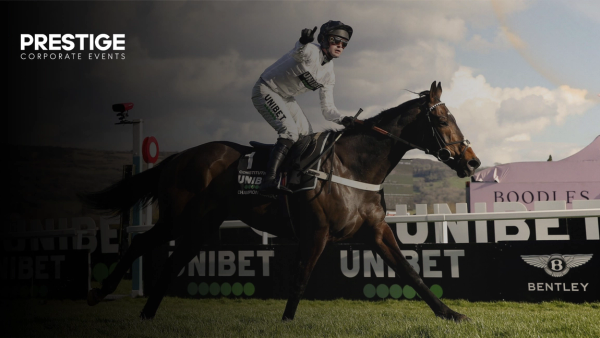
Jump racing, also known as National Hunt, asks horses to clear hurdles or fences across longer trips. It is a winter and early spring staple, prized for grit, stamina, and dramatic moments, with the Cheltenham Festival standing as its crown jewel.
New to the sport? Flat racing is easier to follow at first glance, while jump racing brings a sharper edge and a bit more chaos.
Decoding the Racecard
Think of the racecard as your playbook for the day. A few essentials help it make sense.
Race class tells you the quality level. Top-tier contests are labelled Group races on the Flat and Grade races over jumps.
Handicap races level the field by assigning different weights to each horse, theoretically giving everyone a fair shot.
Novice races are reserved for horses still learning the ropes in a specific discipline, such as first-time chasers.
Why the Ground Changes Everything
The condition of the track, known as the going, has a major impact on how races unfold.
Firm or good-to-firm ground is quick and suits speed, most common in dry summer months.
Good ground is the all-rounder, offering balanced conditions.
Soft or heavy ground comes after rain and tends to reward strength and stamina.
Racing insiders fixate on the going. As a spectator, it is simply another layer that explains why results sometimes defy expectations.
Key People You Will See Trackside
The trainer manages preparation and conditioning behind the scenes.
The jockey executes the plan in the saddle and wears the owner's distinctive racing silks.
The owner or ownership group finances the operation and chooses where the horse runs.
Stewards oversee proceedings and step in when rules or fairness are in question.
Race Day Basics for First-Timers
Placing a modest bet can heighten engagement, but it is optional, not compulsory.
Dress standards vary. Royal Ascot leans formal, while Cheltenham is smart but more flexible.
For atmosphere, nothing beats the finishing straight or the winner's enclosure after a race.
Tips for Beginners
Start small and enjoy the experience. Horse racing is as much about the spectacle and atmosphere as it is about betting. Watch how horses move in the paddock, look for alert, well-muscled horses with a good shine to their coats. Consider the going and whether it suits your selection. Check the jockey and trainer statistics; some partnerships consistently outperform expectations.
Don't chase losses, and remember that even the strongest favorites can be beaten. Part of racing's appeal is its unpredictability. Use each-way bets when you're less confident, as they provide insurance against near misses.
Most importantly, enjoy the day out. Whether you're at Royal Ascot in a top hat or your local evening meeting with fish and chips, horse racing offers a unique blend of sport, tradition, and excitement that has captivated audiences for centuries.
Why Hospitality Changes the Game
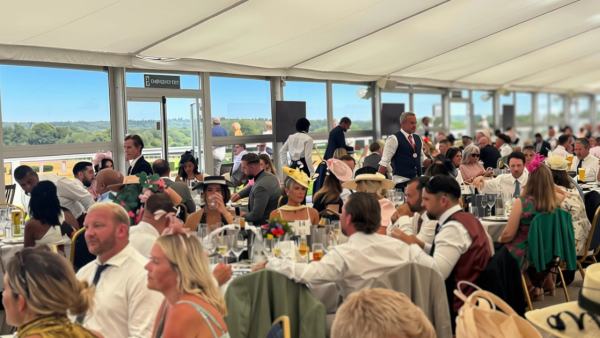
Hospitality elevates racing from a day out to a premium experience. Think high-end dining, prime viewing positions, and seamless service from first race to last.
Prestige Corporate Events delivers award-winning hospitality across headline fixtures, such as Royal Ascot and the Cheltenham Festival, pairing exceptional food with front-row access to the action.
Understanding horse racing jargon transforms the experience from confusing to captivating. With this guide in hand, you're well-equipped to navigate the racecourse, read a racecard, place an informed bet, and fully appreciate the drama unfolding on the track. The sport of kings welcomes newcomers warmly, and with your new vocabulary, you'll soon be discussing form, going, and photo finishes like a seasoned racing enthusiast. Now, study that form, trust your instinct, and may the odds be ever in your favor!
Tags
Frequently Asked Questions
The going refers to the condition of the track surface, ranging from firm (fast, dry ground) to heavy (wet, muddy conditions). It significantly impacts race outcomes as some horses perform better on firm ground while others excel in softer conditions. The going is typically announced before racing begins and can change throughout the day.
Flat racing takes place on smooth, level tracks over shorter distances (5 furlongs to 2 miles) and focuses on speed and precision. Jump racing, also known as National Hunt, requires horses to clear hurdles or fences over longer distances and emphasizes stamina and endurance. Flat racing dominates the summer calendar, while jump racing is a winter and spring sport.
UK odds are displayed as fractions. For example, 2/1 means you win £2 profit for every £1 bet, plus your stake returned (total £3). Odds-on favorites like 4/6 require you to risk £6 to win £4 profit. The shorter the odds, the more likely bookmakers think the horse will win. Evens (1/1) means your profit equals your stake.
An each-way bet is two bets in one: a win bet and a place bet. You're betting on the horse to win and also to finish in the placed positions (usually top 2, 3, or 4 depending on the number of runners). The place portion pays out at a fraction of the win odds, typically 1/4 or 1/5. It provides insurance if your horse doesn't win but finishes in the places.
A racecard shows the horse's name, draw position, age and sex, weight to be carried, jockey and trainer names, recent form figures, and official rating. Form figures show recent finishing positions, with symbols like "0" for finishes outside the top nine, "-" separating seasons, and "/" separating flat and jump racing. This information helps you make informed betting decisions.
A handicap race is designed to give all horses a theoretically equal chance of winning by assigning different weights based on ability. Higher-rated horses carry more weight to level the playing field, while less accomplished horses carry less weight. This creates competitive racing where any horse can potentially win.
A Stewards' Enquiry is an official investigation following a race to determine if any rules were broken, typically involving interference between horses. Racing officials review video footage and may interview jockeys. The result can be changed if the stewards decide one horse unfairly impeded another. The enquiry is announced immediately after the race.
SP stands for Starting Price, which is the final odds on a horse at the moment the race begins. If you place a bet without specifying odds, you'll receive the SP. Starting prices are determined by the betting market and reflect the collective opinion of bettors on each horse's chances of winning.
Absolutely. Horse racing offers spectacular entertainment beyond betting. The atmosphere, tradition, and drama of watching these magnificent animals compete is compelling on its own. You can enjoy the paddock parade, appreciate the jockeys' skill, and soak up the social occasion without placing a single bet. Many attendees focus primarily on the experience rather than on gambling.
Dress codes vary by venue and enclosure. Prestigious events like Royal Ascot have formal requirements including suits, dresses, and hats. Cheltenham Festival and many other fixtures allow smart casual attire. Check the specific racecourse and enclosure requirements before attending. When in doubt, smart casual is usually acceptable for most general admission areas.
Written by Steve Hill
Ready to Experience Premium Hospitality?
Explore our exclusive packages for unforgettable events.
Browse Events